Is Agadir Sandboarding Safe? A Complete, Honest Safety Guide
Short answer: Yes, Agadir sandboarding is safe for the large majority of healthy travelers, with a genuinely low but real risk of minor injury — mostly falls, sand in the eyes, and heat-related discomfort rather than anything serious. The actual safety of your specific trip depends far more on which operator you choose than on the activity itself, which is why this guide goes beyond "soft sand acts as a cushion" and explains exactly what to check before you book.
The Short Answer — What "Safe" Actually Means Here
Sandboarding on the dunes near Agadir (commonly called Timlalin, Timlaline, or Little Sahara — see our Agadir Sandboarding guide for the naming explanation) carries roughly the same risk profile as sledding on a grassy hill or beginner snowboarding on a gentle slope: low-speed falls onto a forgiving surface, occasional minor scrapes, and a real but manageable risk of wrist or ankle strain if you brace a fall incorrectly. Serious injury is uncommon but not impossible, and the more meaningful risk factor in this activity isn't the sand — it's the quality of the operator supervising you.
What Could Actually Go Wrong: Real Injury Mechanics
Here's what actually happens when sandboarding goes wrong, in order of how common each issue is.
Falls and Why They Happen
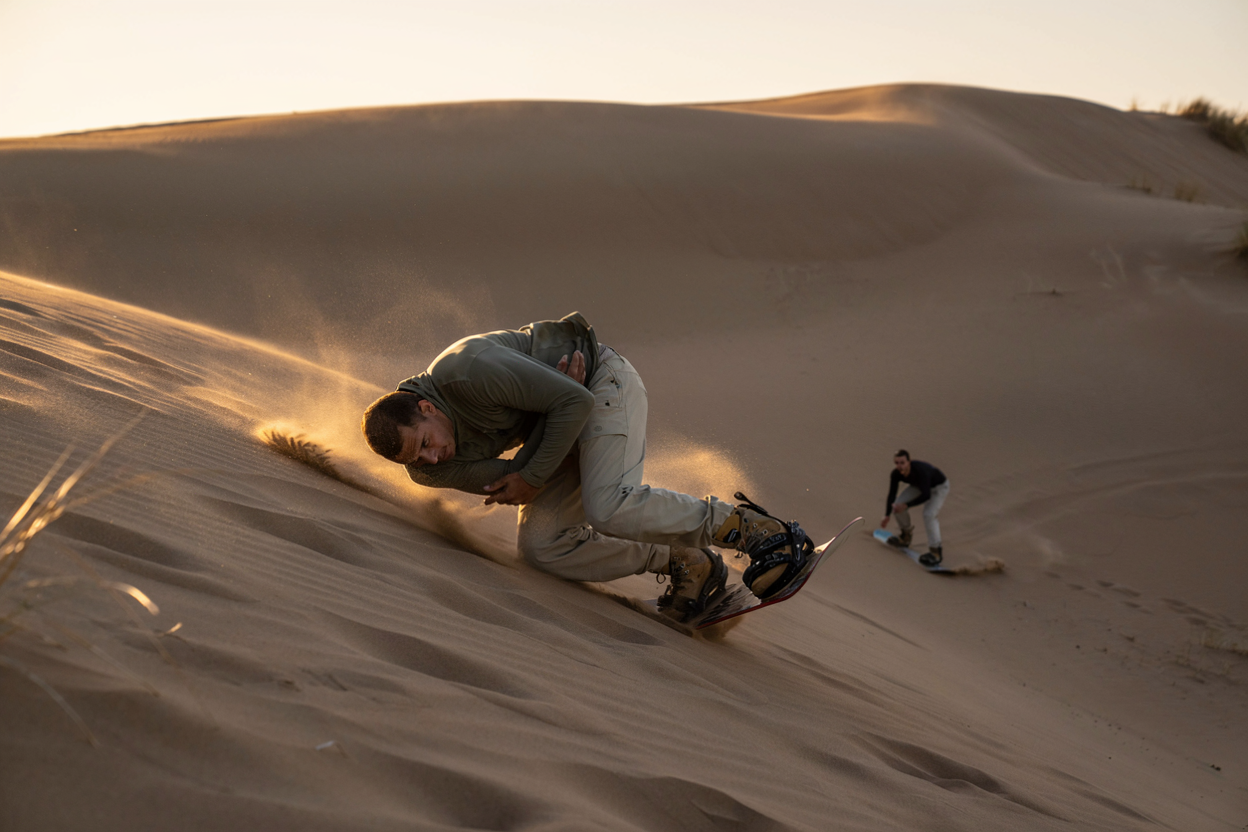
Most falls happen in the first few runs, before a rider has learned to distribute their weight correctly, or when someone tries a steeper section before they're ready. Because the dune surface is soft and forgiving, most falls result in nothing more than a mouthful of sand and a laugh — but a fall taken at an awkward angle, especially with an outstretched arm to brace it, is where wrist strain comes from.
Wrist and Ankle Strain
The single most common actual injury in board sports on soft terrain is a wrist sprain from instinctively bracing a fall with an outstretched hand. If you feel yourself falling, try to fall onto your side or roll rather than putting a straight arm out — the same guidance ski and snowboard instructors give beginners, and it applies here for the same reason. Ankle strain is less common but can happen on the climb back up a dune if you're not wearing supportive closed footwear.
Sand in Eyes and Minor Abrasions
On windier days, blown sand in the eyes is a genuine, common minor irritation — bring sunglasses, not just for sun glare but as basic eye protection. Minor skin abrasions from sliding out at speed on drier, coarser sand patches are the other common minor issue, generally no worse than a graze.
Heat Exhaustion and Sunburn
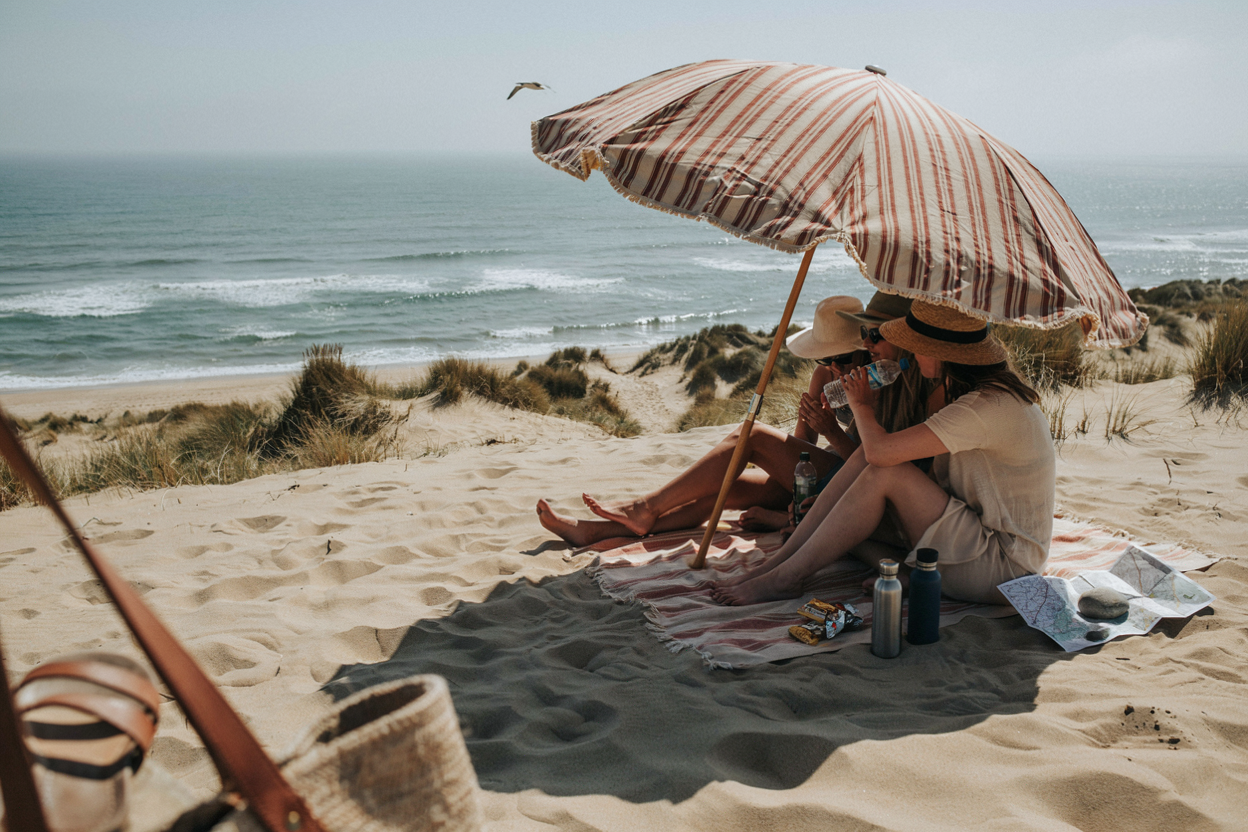
This is the risk category most first-time visitors underestimate: this is an exposed, shade-free desert site, and physical activity in direct sun raises real heat-exhaustion risk, especially between May and August. Symptoms to know (per the NHS's guidance on heat exhaustion and heatstroke): dizziness, nausea, stopping sweating despite heat, confusion — if anyone in your group shows these signs, stop the activity, move to shade, and hydrate immediately. This is genuinely more likely to affect your trip than a fall is.
Who Should Be Cautious or Consider Skipping It
Age Restrictions, Explained Properly
Policies vary by operator — some state a minimum age of 4 years old, while others only say "restrictions may apply" without specifics. There's no universal, official minimum age for this activity in Morocco — it's set individually by each operator, so ask directly rather than assume. As a practical guide, a child needs enough balance and instruction-following ability to control a board and understand basic safety direction — this is more a developmental readiness question than a strict age cutoff, and a good operator will assess this rather than just checking a birth year.
Pregnancy and Health Conditions
As with most impact/fall-risk activities, sandboarding during pregnancy is generally advised against, particularly in the second and third trimester, given the fall risk and physical exertion in heat. This is standard precautionary guidance for impact activities generally, not a claim based on data specific to this activity (none is publicly available) — confirm with your own doctor rather than relying on generic guidance from any travel article, including this one.
Back, Knee, and Joint Considerations
The climb back up the dune after each run is the physically demanding part, more than the ride down — soft sand at an incline is genuinely tiring and can aggravate existing knee, hip, or back issues. If you have a relevant condition, this is worth weighing honestly rather than assuming "it's just sand, how hard can it be" — the climb specifically catches many first-time visitors off guard.
Senior Travelers
There's no upper age limit at most operators, and older travelers regularly do this activity — but the same climb and heat considerations above apply more, not less. A shorter session, extra water, and choosing a cooler time of day are sensible adjustments rather than reasons to avoid it outright.
How to Actually Vet a Safe Operator
"Choose a reputable tour company" is easy advice to give and hard to act on unless you know what to actually ask. Here's how to do it.
Questions to Ask Before You Book
- "Do you carry accident/liability insurance?" — A legitimate operator should answer this clearly and without hesitation. Hesitation or a vague answer is itself useful information.
- "What's your protocol if someone is injured?" — Listen for a real answer (nearest medical facility, how they'd get someone there) rather than a generic "we take care of it."
- "Is a helmet provided, or optional?" — "Often available" isn't a real answer. Ask directly and expect a direct one.
- "How many guests per guide?" — A smaller ratio means genuine supervision, not just a group being watched loosely.
Red Flags
- Vague or evasive answers to the insurance question above.
- No visible reviews, or reviews with no names, dates, or specific details.
- Pressure to pay the full amount in cash immediately with no written confirmation of what's included.
- An unwillingness to state who your actual guide will be.
A Documented Case Worth Knowing About
This is worth stating plainly rather than glossing over: at least one publicly visible traveler review for a Timlalin-area activity operator describes a serious injury during a desert excursion (a quad-biking incident rather than sandboarding specifically, but relevant to the same broader activity cluster and operator landscape), alongside a claim that the operator lacked accident insurance and used an informal vehicle rather than calling emergency services. We can't independently verify every detail of a single account, but it's a real enough pattern in this activity space — bundled desert-adventure operators offering sandboarding, quad biking, and buggy tours together — that it directly justifies the vetting questions above. This isn't a reason to avoid the activity; it's the reason to ask the right questions before you book.
Equipment: What Real Safety Gear Actually Looks Like
Board and Bindings
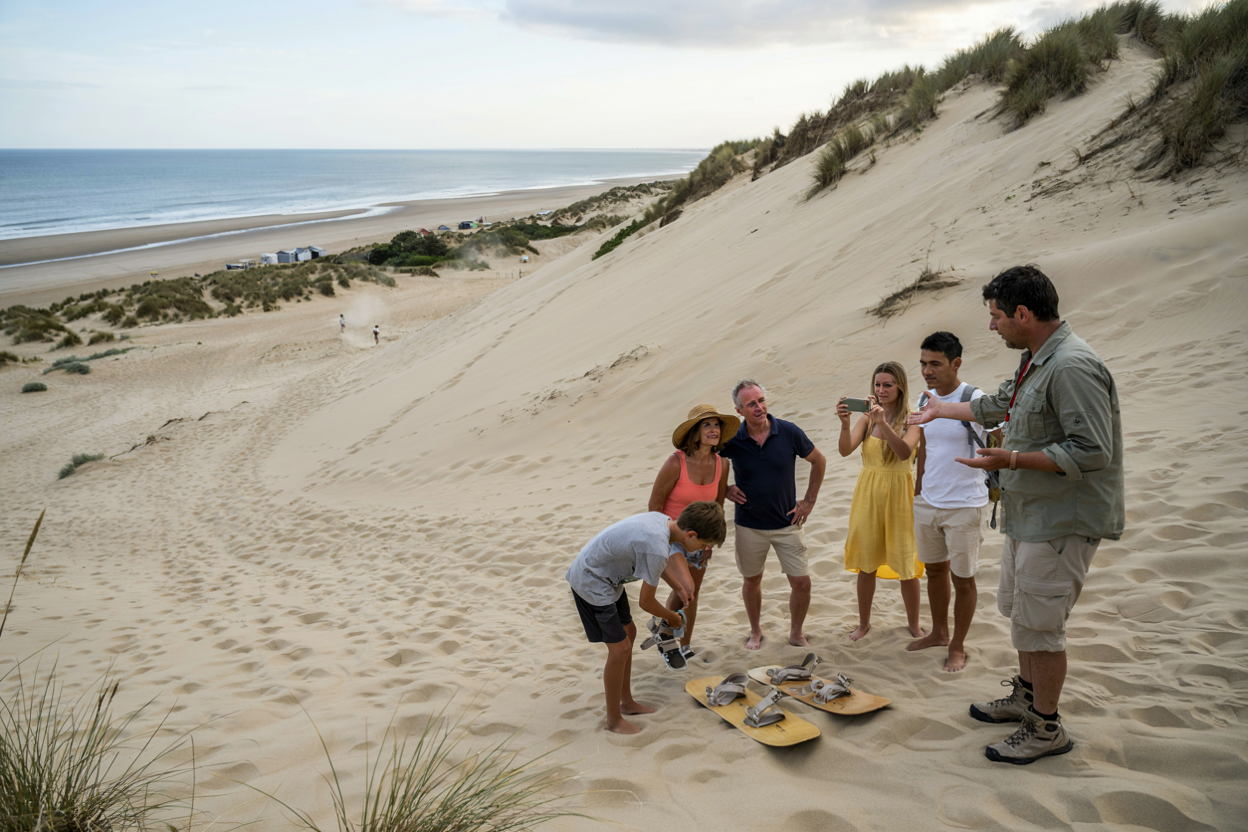
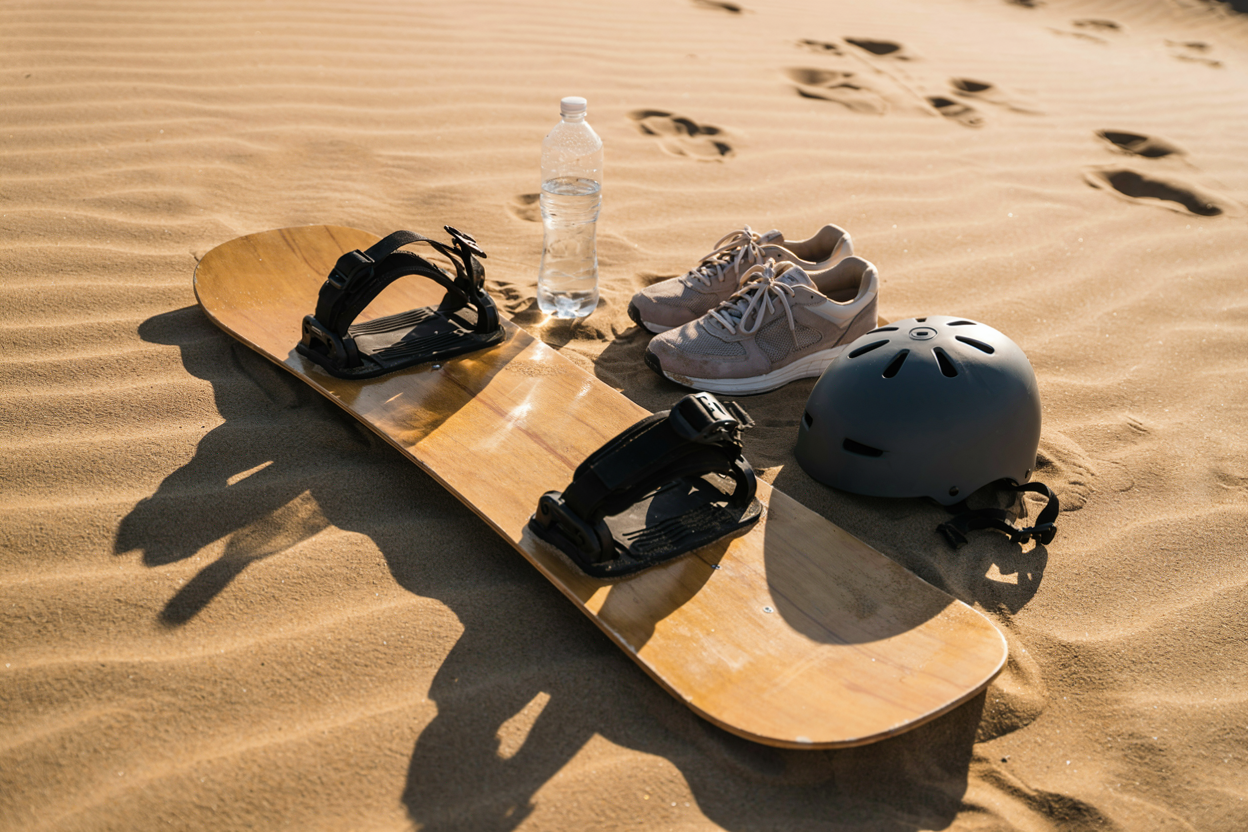
A proper sandboard has a waxed base (for glide on sand, similar in principle to snowboard wax) and foot straps or bindings to keep your feet controlled during the ride — a board without any foot retention is harder to control and increases fall likelihood. If you can, look at or ask about the board condition before starting; a heavily worn, unwaxed board glides poorly and makes falls more likely, not less.
Helmets
Ask directly whether one is included, not "available." For beginners or children specifically, a helmet is a low-cost, meaningfully protective addition given that head impact, while uncommon on soft sand, isn't impossible on a bad fall.
Footwear
Closed, sturdy shoes are the right choice — flip-flops or sandals make the climb back up the dune both harder and more likely to cause an ankle roll, and offer no protection if you catch your foot awkwardly during a fall. Don't do this activity in flip-flops.
Weather, Wind, and Sand Conditions
Wind Speed and Why It Matters
Strong wind does two things: it blows loose sand into eyes and gear, and on a dune, it can shift surface sand consistency in ways that affect footing. Checking a live wind forecast for the coastal Agadir/Tamri area before you go — Windguru is a widely used, genuinely useful tool for this — is a worthwhile pre-trip step; treat a very windy forecast as a reason to consider a different time slot, not a reason to cancel outright.
Sand Temperature and Seasonal Heat Risk
Sand surface temperature can be significantly hotter than air temperature in direct summer sun — genuinely hot enough to be uncomfortable or mildly burn bare skin on contact during peak summer months. This is the single strongest argument for visiting October through April, or for a late-afternoon/sunset time slot even in shoulder season, which our Agadir Sandboarding guide also recommends for comfort reasons that turn out to double as a genuine safety consideration.
Post-Rain Dune Conditions
After rain, dune sand can compact in some areas and become heavier or stickier rather than loosely granular — this changes both glide characteristics and fall dynamics, since a compacted surface is less forgiving than dry, loose sand. If you're booking shortly after rainfall, ask your operator directly whether conditions are still suitable rather than assuming the activity proceeds identically in all conditions.
Insurance — What It Should Actually Cover
Two separate things matter here: whether the operator carries liability/accident insurance (see the vetting questions above), and whether your own travel insurance covers adventure or activity-related injury specifically — many standard travel policies exclude "hazardous activities" by default, and whether sandboarding counts varies by insurer. Check your policy's specific activity list rather than assuming general travel insurance covers this automatically.
Solo and Women Travelers
The dune area and the drive to reach it (commonly via Tamri, north of Agadir) sit along a coastline well-used by the international surf-travel community, and the general precautions that apply to solo travel anywhere in Morocco's tourist-frequented coastal areas apply here too. If you'd rather not navigate logistics or group dynamics solo, a small-group or private guided tour removes most of that consideration, and daylight-hours timing is a sensible default regardless of group size.
Sandboarding Risk vs. Other Agadir Desert Activities
| Activity | Typical Injury Type | Relative Risk Level | Key Mitigation |
|---|---|---|---|
| Sandboarding | Wrist/ankle strain, minor falls, heat exhaustion | Low | Correct fall technique, hydration, sun protection |
| Quad biking | Vehicle-related injury, collision risk | Low-Medium | Verified operator insurance, helmet use, following guide instructions closely |
| Camel riding | Falls from height (mounting/dismounting) | Low | Following mounting instructions, secure footing |
| Buggy driving | Vehicle-related injury, rollover risk on steep terrain | Medium | Verified operator insurance, seatbelt use, guide-led routes only |
This comparison reflects general activity risk patterns, not incident statistics specific to any operator — no such public dataset exists for this region, and this guide won't pretend otherwise.
Printable Safety Checklist
- ☐ Confirmed operator carries accident/liability insurance
- ☐ Asked about guide-to-guest ratio
- ☐ Checked whether a helmet is included
- ☐ Wearing closed, sturdy shoes (not flip-flops or sandals)
- ☐ Packed water, sunscreen, sunglasses, and a hat
- ☐ Checked the wind and heat forecast for your visit time
- ☐ Confirmed your own travel insurance covers adventure activities
- ☐ Told someone your plan and expected return time
- ☐ Know the correct way to fall (roll, don't brace with a straight arm)
Frequently Asked Questions
Is Agadir sandboarding safe for kids?
Generally yes, for children old enough to follow safety instructions and control a board — this is more about developmental readiness than a strict age cutoff, though some operators state minimums as low as 4 years old. Ask your specific operator directly rather than assuming.
Is sandboarding safe during pregnancy?
It's generally advised against, particularly in later trimesters, given fall risk and physical exertion in heat — this follows standard precaution for impact activities generally. Confirm with your own doctor.
What's the most common sandboarding injury?
Wrist strain from bracing a fall with an outstretched arm is the most common actual injury, followed by minor ankle strain on the climb back up the dune and sand-related eye irritation on windy days.
Do I need travel insurance for sandboarding?
Standard travel insurance doesn't automatically cover adventure or activity injuries — many policies specifically exclude "hazardous activities." Check your policy's activity list before you go.
Is it safe to sandboard alone as a solo traveler?
Yes, with the same general precautions that apply to solo travel anywhere along this coastline — daylight timing and genuine operator vetting (see above) matter more than group size itself.
What should I wear for safety, not just comfort?
Closed, sturdy shoes are the single most important safety-relevant clothing choice — flip-flops significantly increase ankle-roll risk on the climb.
Is the sand dangerously hot in summer?
Sand surface temperature can be significantly hotter than air temperature in direct summer sun, genuinely uncomfortable or mildly burning on bare skin — this is one of the strongest reasons to visit October-April or during cooler parts of the day.
Are helmets provided?
It varies by operator, and some only say helmets are "often available" rather than guaranteed — ask directly and expect a clear answer before booking.
What happens if it rains before my tour?
Rain can compact dune sand, changing both glide and fall dynamics. Ask your operator directly whether conditions remain suitable rather than assuming the experience is unaffected.
How do I know if a tour operator is actually safe, not just claiming to be?
Ask directly about insurance coverage, emergency protocol, and guide-to-guest ratio — a legitimate operator answers clearly and without hesitation; vagueness is itself useful information.
Can seniors do Agadir sandboarding safely?
Generally yes — there's no strict upper age limit, but the climb back up the dune in heat is the more demanding part, so a shorter session, extra hydration, and cooler timing are sensible adjustments.
Is sandboarding riskier than quad biking or buggy driving in Agadir?
Generally lower risk, since it doesn't involve a motor vehicle — but operator quality matters more than the activity type itself across all three, which is why the vetting questions in this guide apply regardless of which activity you choose.
The Honest Verdict
Agadir sandboarding is safe for the overwhelming majority of healthy travelers, and the physical activity itself is genuinely low-risk compared to most "adventure" activities marketed in this region. The real determinant of how safe your specific day turns out to be isn't the sand — it's whether you've picked an operator that can answer the insurance and safety-protocol questions in this guide clearly, whether you've dressed and hydrated sensibly for an exposed desert environment, and whether you know the one piece of technique advice that actually matters: fall by rolling, not by bracing with a straight arm. If you'd rather skip the operator-vetting process entirely, Agadir Activities Guide's sandboarding and canyon experience lists verified guest reviews and transparent details you can check before booking — but whichever operator you choose, ask the questions above before you hand over any money, not after.
This guide reflects general safety information and independently researched patterns — it is not a substitute for medical advice or a guarantee of any specific operator's practices. Always confirm current conditions, insurance coverage, and safety protocols directly with your chosen operator before booking.

AGADIR TRIP GUIDE
Related content
Interdum et malesuada fames