

Why Visit Essaouira?
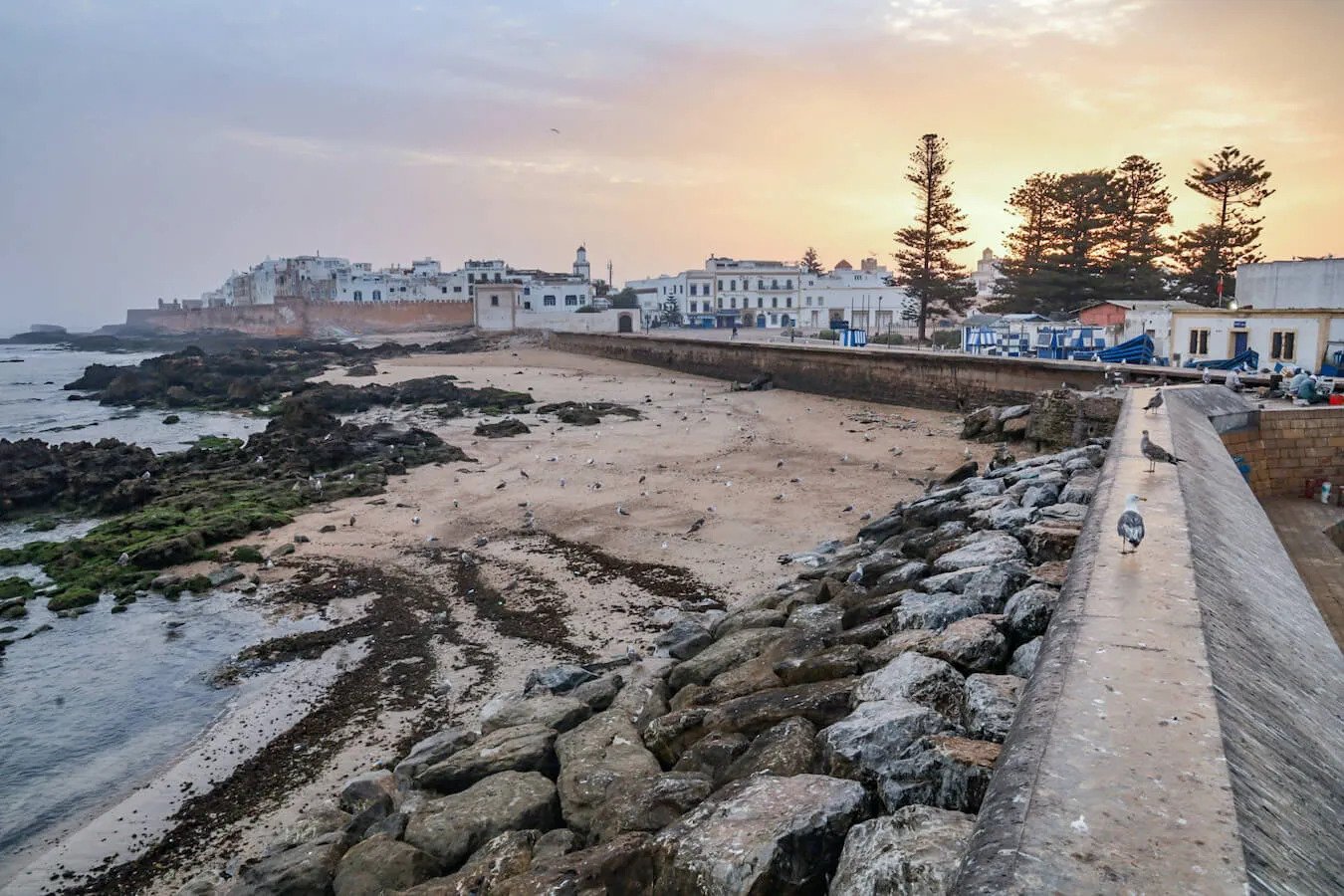
Why Visit Essaouira?
If you are looking for a Moroccan destination where history, Atlantic beaches, traditional culture, food and outdoor adventures come together, Essaouira deserves a place on your itinerary.
Known historically as Mogador, Essaouira is a beautiful coastal city on Morocco's Atlantic coast. Its character is very different from the busy atmosphere of Marrakech or the resort feel of some Moroccan beach destinations. Here, life moves at a more relaxed pace.
You can spend your morning walking through the narrow streets of the historic medina, stop for fresh seafood near the fishing port, explore the old ramparts in the afternoon and finish the day watching the sunset over the Atlantic.
For travelers who want more adventure, there are plenty of Essaouira activities to choose from, including surfing, kitesurfing, windsurfing, camel riding, horse riding, quad biking and sandboarding.
The city also has a strong artistic and cultural identity. Its galleries, traditional crafts, music and historic architecture make it a destination where you can easily spend several days without running out of things to discover.
In this Essaouira tourist guide, we will explore the best attractions and experiences to add to your itinerary, whether you are traveling with family, as a couple, alone or looking for outdoor adventure.
1. Explore the Essaouira Medina
The first place to visit should be the Medina of Essaouira.
This historic walled city is the heart of Essaouira and one of the most important reasons travelers visit. The Medina of Essaouira was added to the UNESCO World Heritage List in 2001. UNESCO describes it as an outstanding example of an 18th-century fortified seaport, combining European military architecture with a North African urban setting.
Walking through the medina is an experience in itself.
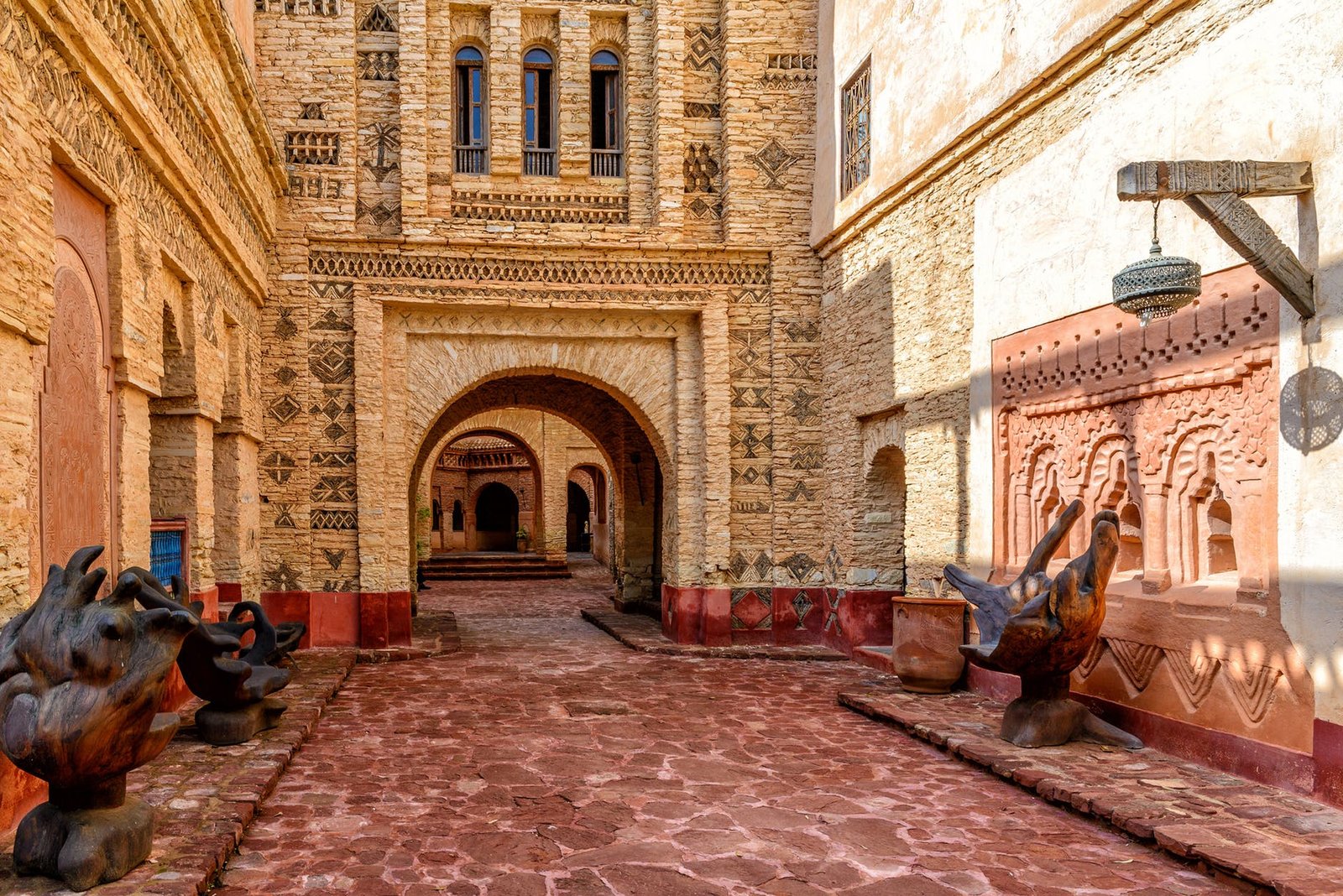
Instead of following a strict itinerary, give yourself time to wander. You will find small shops, cafés, artisan workshops, galleries, traditional houses and streets leading toward the historic ramparts.
The Moroccan National Tourist Office also highlights Essaouira's ramparts, monumental gates, Skala, port, Mellah district and art galleries as important parts of the city's heritage.
Why visit?
The medina allows you to experience Essaouira's history and everyday life at the same time.
How long?
Allow at least 2–3 hours, although you can easily spend half a day exploring.
Price
Exploring the streets independently is generally free.
Best for
Families, couples, solo travelers, photographers and history lovers.
Local tip
Don't stay only on the busiest shopping streets. Walk into quieter lanes and explore the less touristy parts of the medina.
2. Walk Along the Skala de la Ville
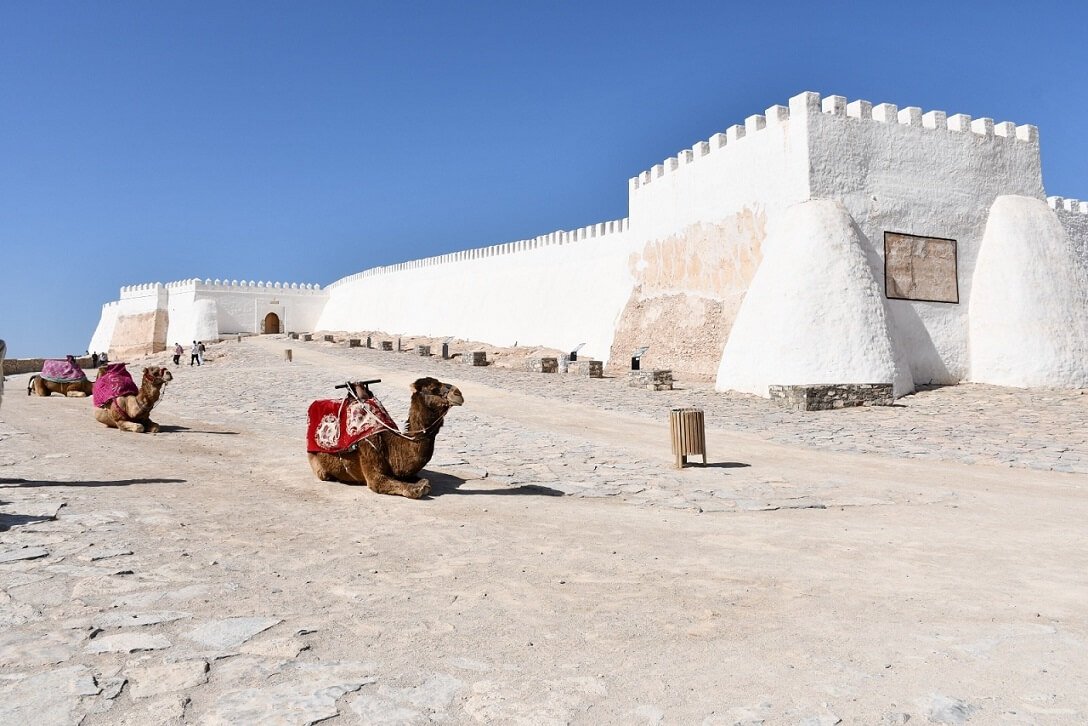
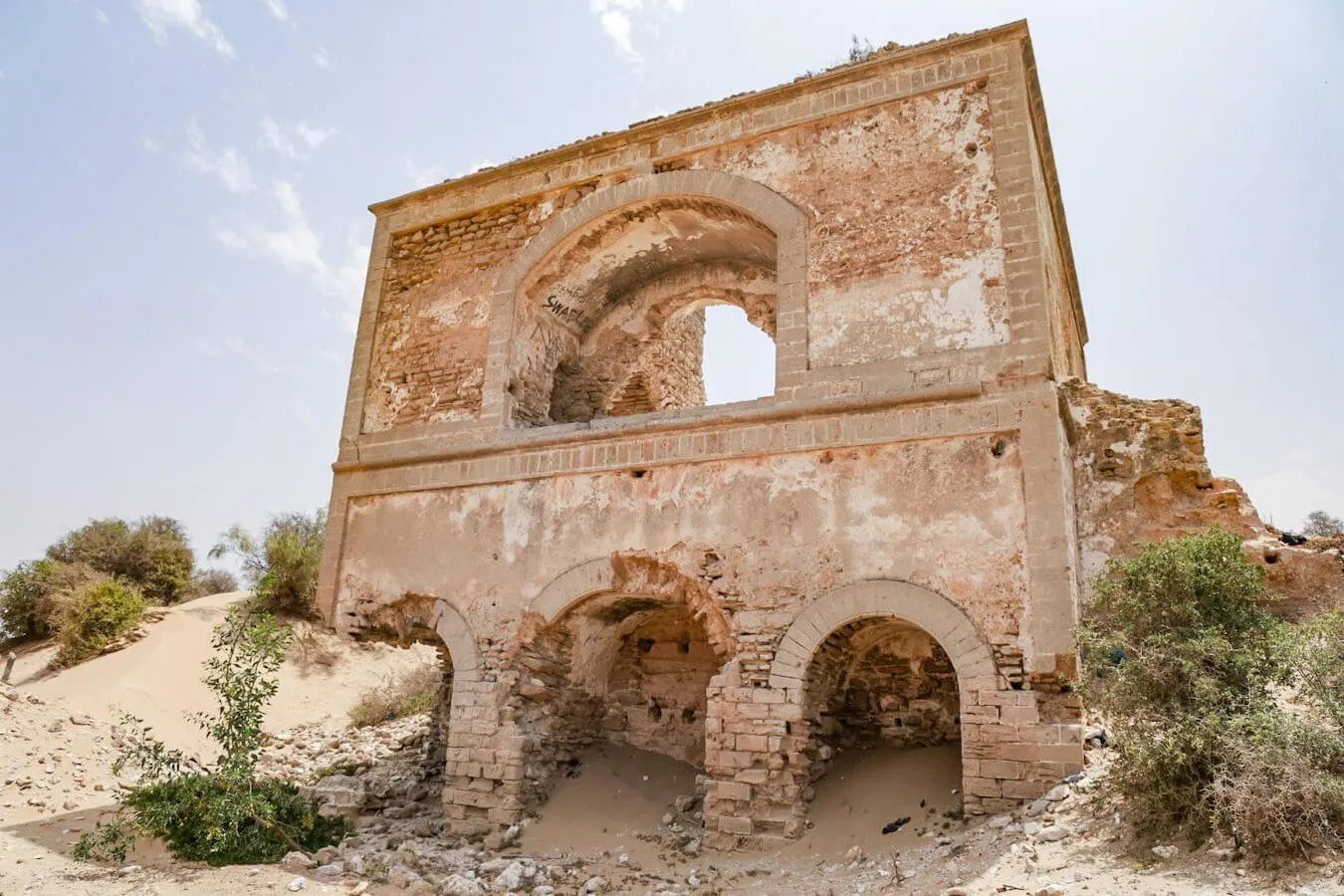
One of the most recognizable Essaouira attractions is the Skala de la Ville, the historic sea-facing ramparts.
The stone fortifications provide dramatic views of the Atlantic Ocean and are lined with old cannons that recall the city's defensive past.
From the ramparts, you can see waves breaking against the rocks while the old city stretches behind you.
Why visit?
It is one of the best places to appreciate Essaouira's combination of history and ocean scenery.
It is also an excellent photography location.
How long?
Around 30–60 minutes.
Price
Usually free to walk around the accessible areas.
Best time
Late afternoon is particularly beautiful because of the changing Atlantic light.
Best for
Everyone, especially photographers and couples.
Local tip
Visit both in the morning and late afternoon if you have enough time. The atmosphere and light can feel completely different.
3. Discover the Fishing Port
The Essaouira fishing port is another place that should be on your itinerary.
This isn't simply a tourist attraction. It remains connected to the city's fishing culture and offers a glimpse into everyday coastal life.
You can see traditional fishing boats, fishermen bringing in their catch and plenty of seagulls competing for attention.
Why visit?
The port helps explain why Essaouira developed into such an important Atlantic trading city.
UNESCO notes that Essaouira historically functioned as a major international trading seaport connecting Morocco and its Saharan hinterland with Europe and the wider world.
How long?
Approximately 45 minutes to 1 hour.
Price
Free to explore.
Best time
Morning is usually a good time to experience more activity around the port.
Local tip
Combine your visit with a seafood lunch afterward.
4. Explore the Souks and Local Crafts
Shopping in Essaouira is much more than buying souvenirs.
The medina contains shops selling traditional Moroccan products, handmade decorations, textiles, jewelry, leather goods, artwork and wooden crafts.
Essaouira is particularly associated with artistic production, and the official Moroccan tourism site describes the city as a destination of art and history with numerous galleries and creative spaces.
Why visit?
The souks give you an opportunity to discover local craftsmanship and perhaps take home something genuinely connected to Morocco.
How long?
Allow 1–2 hours.
Price
Browsing is free. Shopping prices vary considerably.
Best for
Couples, families and shoppers.
Local tip
Compare prices in several shops before buying. For more expensive handmade products, ask about the origin and production process.
5. Enjoy Fresh Seafood
If you enjoy seafood, Essaouira is an excellent place to try freshly prepared fish.
The city's relationship with the Atlantic naturally influences its cuisine. Around the port and medina, you can find restaurants serving grilled fish, calamari, prawns and other seafood.
Why visit?
A simple seafood lunch can become one of the most memorable parts of your trip.
Approximate price
For a casual meal, budget approximately €5–€15 per person, although prices can be higher depending on the restaurant and the seafood selected.
How long?
Around 1–1.5 hours.
Best for
Families, couples, food lovers and budget travelers.
Local tip
Ask what was caught that day rather than choosing only from a standard menu.
Coming next: We can create a dedicated article about the best restaurants in Essaouira, including restaurant categories, approximate prices in euros and what to order.
6. Relax on Essaouira Beach
Not every experience needs to be a paid tour.
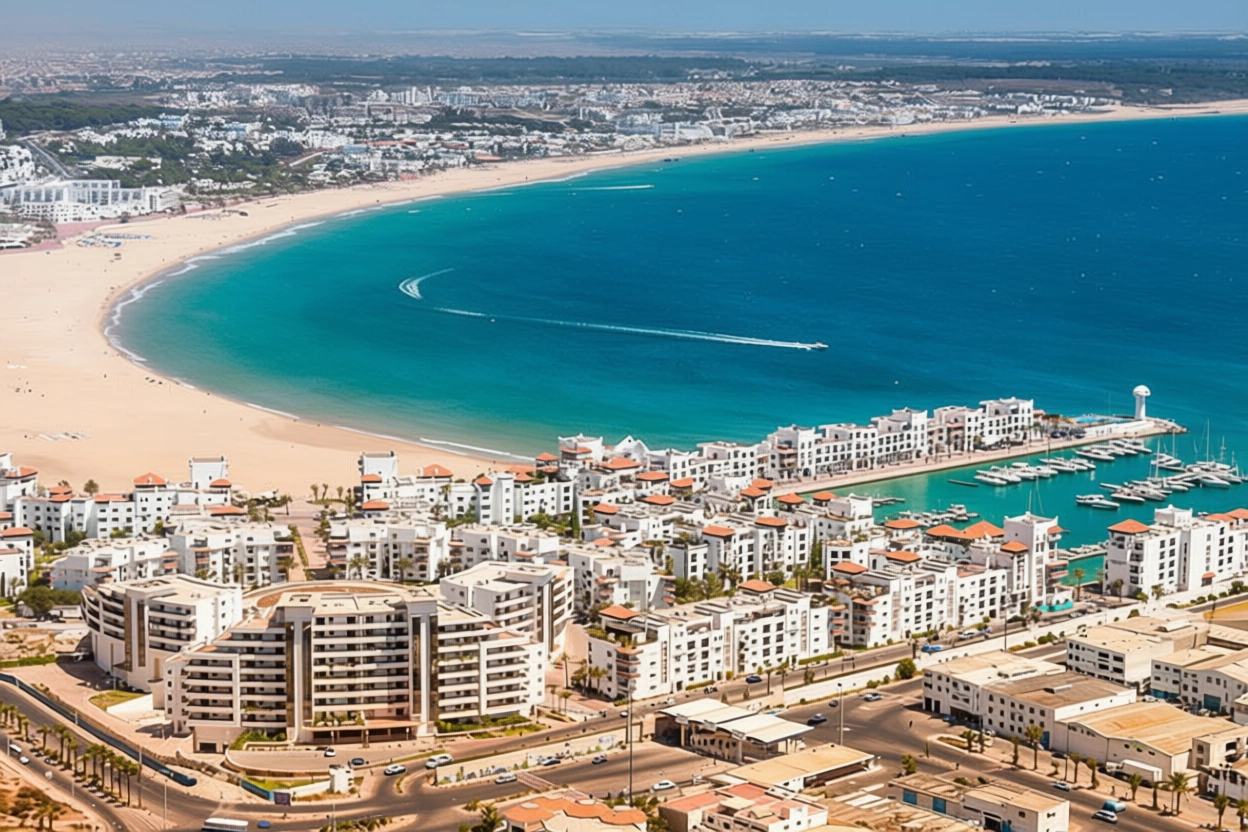
Essaouira's long Atlantic beach is a great place to slow down after exploring the medina.
Take a walk along the sand, watch the waves, enjoy the views or simply sit and relax.
The beach is also connected to several outdoor activities, including horse riding, camel rides and water sports.
Why visit?
It gives you a break from sightseeing and lets you enjoy Essaouira's coastal atmosphere.
How long?
Anything from 30 minutes to several hours.
Price
Free.
Best for
Families, couples, solo travelers and budget travelers.
Local tip
Essaouira can be noticeably windy. Even on a sunny day, bring a light jacket.
7. Try a Camel Ride
One of the most popular activities around Essaouira is a camel ride along the beach and nearby dunes.
Depending on the experience, routes may pass through coastal landscapes, dunes, forests and areas outside the city.
A camel ride can be especially enjoyable around sunset.
Why experience it?
It is a relaxed way to explore the landscape and experience a traditional form of transport in a modern tourist setting.
Duration
Approximately 1–3 hours, depending on the experience.
Approximate price
Around €35–€70+ per person.
Prices vary depending on duration, group size, transportation and inclusions.
Best for
Couples, families with older children and first-time visitors.
Local tip
If you are choosing between a daytime ride and a sunset experience, sunset is particularly attractive for photographers and couples.
Detailed article coming next:
Camel Riding in Essaouira: Prices, Routes, Best Time and Booking Guide
8. Go Horse Riding
Horse riding is another popular way to explore the landscape around Essaouira.
Depending on the tour, you may ride along the beach, through dunes or around nearby countryside.
Why experience it?
Riding beside the Atlantic provides a very different perspective from simply walking along the beach.
Duration
Usually 1–3 hours.
Approximate price
Approximately €40–€80+.
Best for
Couples, experienced riders, adventure travelers and families with suitable older children.
Practical tip
Tell the operator your riding experience before booking. Beginners should select a ride specifically designed for beginners.
Detailed article coming soon:
Horse Riding in Essaouira: Beach Rides, Prices and Tips
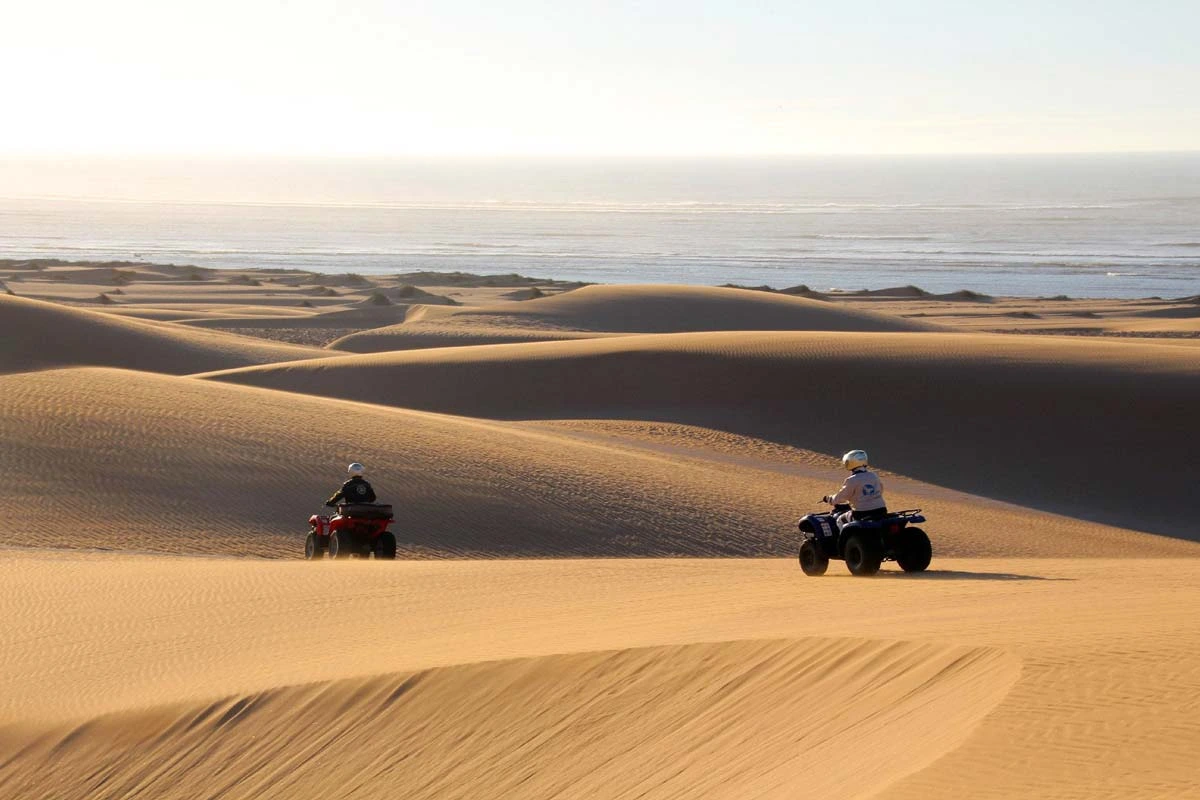
9. Experience Quad Biking
If you prefer something faster, quad biking is one of the most exciting Essaouira activities.
Quad excursions can take you beyond the city toward dunes, beaches, forests and rural landscapes.
Why experience it?
It combines adventure with the natural scenery around Essaouira.
Duration
Usually 2–3 hours.
Approximate price
Approximately €30–€80+ per person.
Best for
Adventure seekers, couples, groups and suitable families.
Practical tips
Wear closed shoes, sunglasses and clothes that can get dusty. Always choose an operator that provides safety instructions and appropriate equipment.
Detailed article coming soon:
Quad Biking in Essaouira: Dunes, Beaches, Prices and Booking Tips
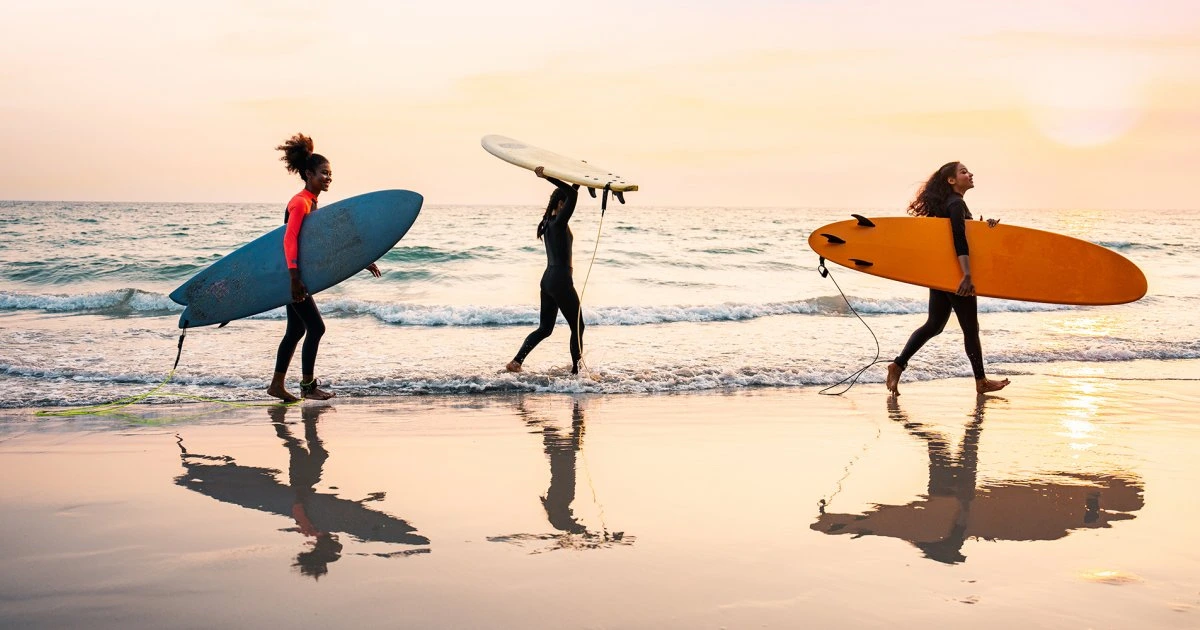
10. Learn to Surf
Surfing is one of the best choices for travelers who want to experience Essaouira's Atlantic coastline actively.
Beginners can take lessons with local instructors who provide equipment and basic guidance.
Why experience it?
You don't need to be an experienced surfer to try.
A beginner lesson can introduce you to the ocean, board handling and basic surfing techniques.
Duration
Usually 2 hours for an introductory lesson.
Approximate price
Approximately €25–€50, depending on the school and package.
Best for
Solo travelers, couples, teenagers and adventure seekers.
Local tip
Ask the surf school about conditions on the day you want to go. Ocean conditions change, and instructors can recommend the most suitable session.
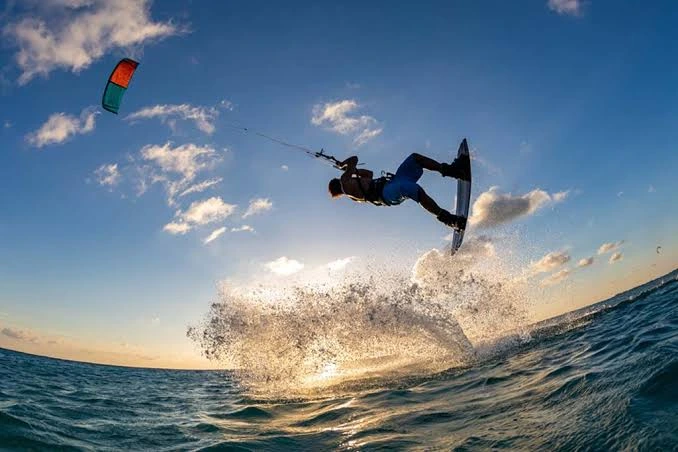
11. Try Kitesurfing and Windsurfing
Essaouira's Atlantic wind has made the area popular with wind-sport enthusiasts.
Kitesurfing and windsurfing are more technical than ordinary surfing, so beginners should start with a professional instructor.
Why experience them?
These sports offer an exciting way to experience Essaouira's famous Atlantic conditions.
Duration
Introductory lessons generally take around 2 hours, while learning the sport properly requires multiple sessions.
Approximate price
Budget approximately €50–€100+ for an introductory experience.
Best for
Adventure travelers and active visitors.
Practical tip
Don't book based only on price. Instructor quality, equipment and weather conditions are important.
12. Try Sandboarding
Sandboarding is a fun activity to add to a coastal adventure.
Instead of skiing on snow, you slide down sandy dunes on a board.
Some organized excursions combine sandboarding with sunset, local food or a picnic.
Why experience it?
It is easy to combine with other outdoor activities and works well for travelers looking for something different.
Duration
Approximately 2–5 hours, depending on the excursion.
Approximate price
Around €30–€60+.
Best for
Adventure lovers, couples and families with older children.
Local tip
Wear comfortable shoes and bring water and sun protection.
13. Visit an Argan Oil Cooperative
The region around Essaouira is known for its argan landscapes.
Visiting a local cooperative can introduce travelers to the traditional processing of argan products and provide an opportunity to learn about local women's cooperatives.
Why visit?
It gives you a chance to learn about an important Moroccan product rather than simply buying it in a shop.
Duration
Around 30–60 minutes.
Price
Visits may be free or included in organized excursions.
Best for
Families, couples, culture lovers and shoppers.
Local tip
If you buy argan oil, check whether it is intended for culinary or cosmetic use and look at the labeling carefully.
14. Take a Moroccan Cooking Class
Food lovers should consider taking a Moroccan cooking class.
Depending on the experience, you may visit a local market, select ingredients and learn how to prepare traditional dishes such as tagine, couscous and Moroccan salads.
Why experience it?
Instead of simply eating Moroccan food, you learn how it is prepared.
It is also a great way to meet local people and understand Moroccan culinary traditions.
Duration
Usually 3–4 hours.
Approximate price
Approximately €35–€70+ per person.
Best for
Couples, families, solo travelers and food lovers.
Local tip
Look for smaller classes where you actively participate rather than simply watching a demonstration.
15. Relax in a Traditional Hammam
After several days of walking, surfing and sightseeing, a Moroccan hammam can be a relaxing addition to your itinerary.
Traditional hammam experiences may include steam, black soap, exfoliation and optional massage treatments.
Why experience it?
The hammam is more than a spa treatment. It is part of Moroccan bathing culture.
Duration
Approximately 1–2 hours.
Price
Prices vary significantly between a basic local hammam and a private spa.
Best for
Couples, solo travelers and wellness lovers.
Local tip
If you want a traditional experience, ask your accommodation for a reputable local hammam rather than choosing randomly.
16. Discover Essaouira's Art Galleries
Essaouira has a strong connection with art and creativity.
Inside and around the medina, visitors can discover galleries and workshops displaying paintings, sculptures, photography, crafts and other artistic works.
Why visit?
It is one of the quieter ways to experience the city's creative personality.
Duration
Approximately 1–2 hours.
Price
Many galleries can be visited without an entrance fee.
Best for
Art lovers, couples, photographers and solo travelers.
Local tip
Speak with gallery owners about local artists and the stories behind the artwork.
17. Enjoy a Rooftop Café
One of the easiest answers to what to do in Essaouira is simply to slow down.
Find a café in the medina, order Moroccan mint tea or coffee and enjoy the view.
Rooftop cafés can provide excellent perspectives over the whitewashed buildings and surrounding rooftops.
Approximate price
Around €1–€5 for a drink or simple snack, depending on the establishment.
Best for
Everyone.
Local tip
Late afternoon is a particularly enjoyable time to sit on a rooftop before heading toward the coast for sunset.
18. Watch the Sunset Over the Atlantic
Sunset is one of the best free experiences in Essaouira.
You don't need a tour or expensive restaurant.
Simply walk toward the beach or find a suitable viewpoint and watch the sun disappear over the Atlantic.
Why experience it?
The combination of ocean, wind, beach and evening light creates a memorable end to the day.
Duration
Around 30–90 minutes.
Price
Free.
Best for
Couples, families, photographers and solo travelers.
Local tip
Bring a light jacket because the temperature can feel cooler after sunset.
19. Experience Local Music and Gnawa Culture
Essaouira is strongly associated with Gnawa music, an important part of Morocco's cultural heritage.
UNESCO lists Gnawa among the elements of Moroccan intangible cultural heritage under the 2003 Convention.
The city is also internationally known for its music scene and cultural festivals.
If you visit during a festival, you may find large performances and additional cultural events throughout the city.
Outside festival periods, ask locally about smaller live music performances.
Why experience it?
Music provides a different way to understand Essaouira's multicultural history.
Best for
Music lovers, couples, solo travelers and culture enthusiasts.
20. Explore Essaouira's Hidden Corners
One of the pleasures of Essaouira is that you don't always need a plan.
Walk away from the main tourist streets and look for quieter lanes, old doors, small workshops, local cafés and residential areas.
The Mellah, historic gates, lesser-known corners of the medina and areas around the old walls can reveal another side of the city.
Why explore independently?
The best travel memories are sometimes created when you stop following a checklist.
Local tip
Respect residents and private spaces when photographing quieter neighborhoods.

AGADIR TRIP GUIDE
Related content
Interdum et malesuada fames