

Is Paradise Valley Safe to Swim In? Water Depth and Conditions
Is P aradise Valley Safe to Swim In?Water Depth and Conditions
Real depth info, cliff jumping safety, and when the pools actually run dry
Yes, Paradise Valley Agadir is generally safe to swim in, treated like any natural swimming spot rather than a managed pool — check conditions yourself rather than assuming safety because others are swimming. Paradise Valley water depth varies significantly by pool and by season, from shallow wading spots suitable for children to genuinely deep plunge pools. Cliff jumping happens at several points, with reported jump heights ranging from a gentle 2 meters up to 8-10 meters at the more extreme spots — but depth must be checked before every jump, since water levels shift seasonally and submerged rocks are a real risk.
Paradise Valley Agadir Swimming: What to Expect
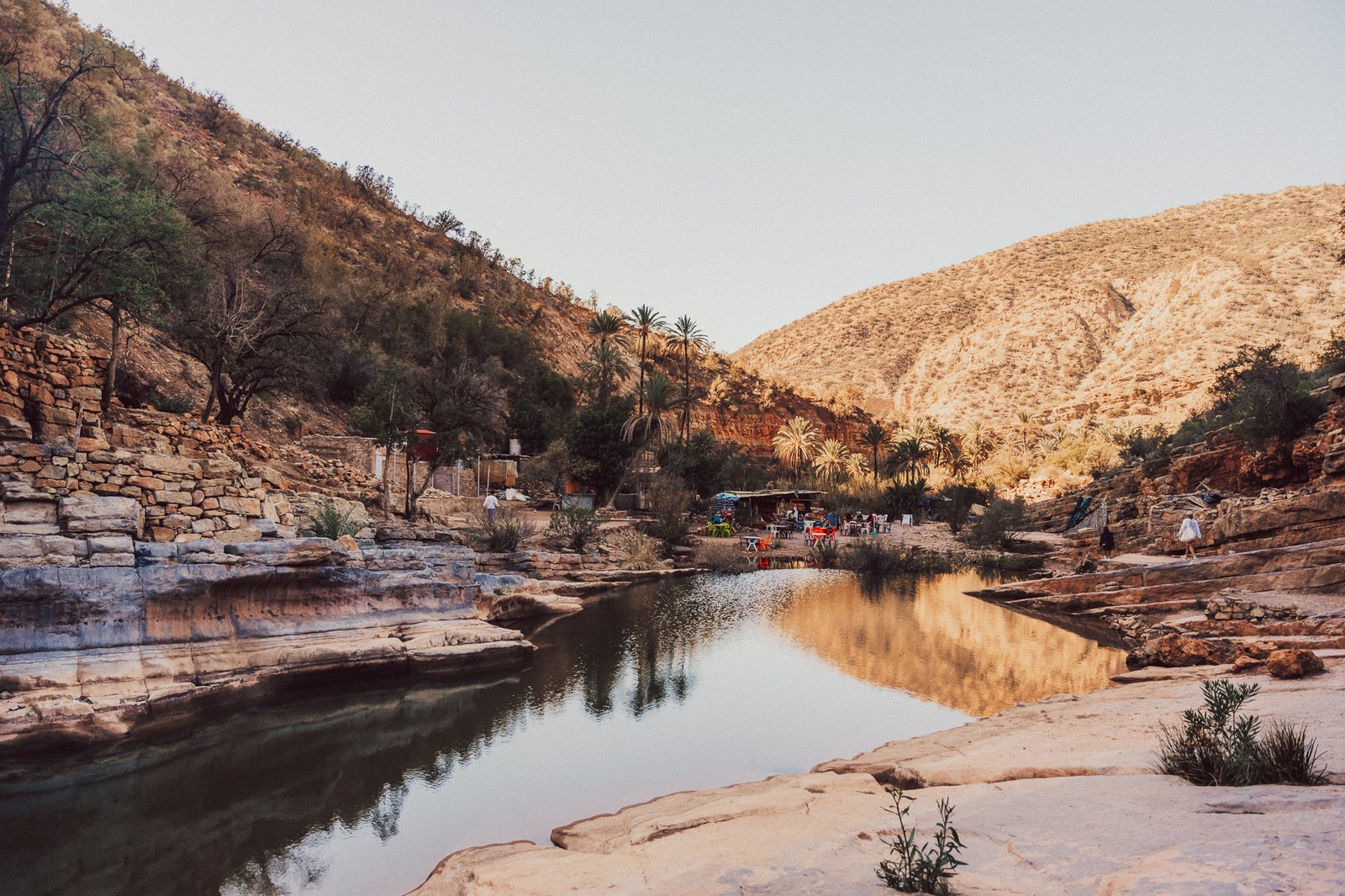
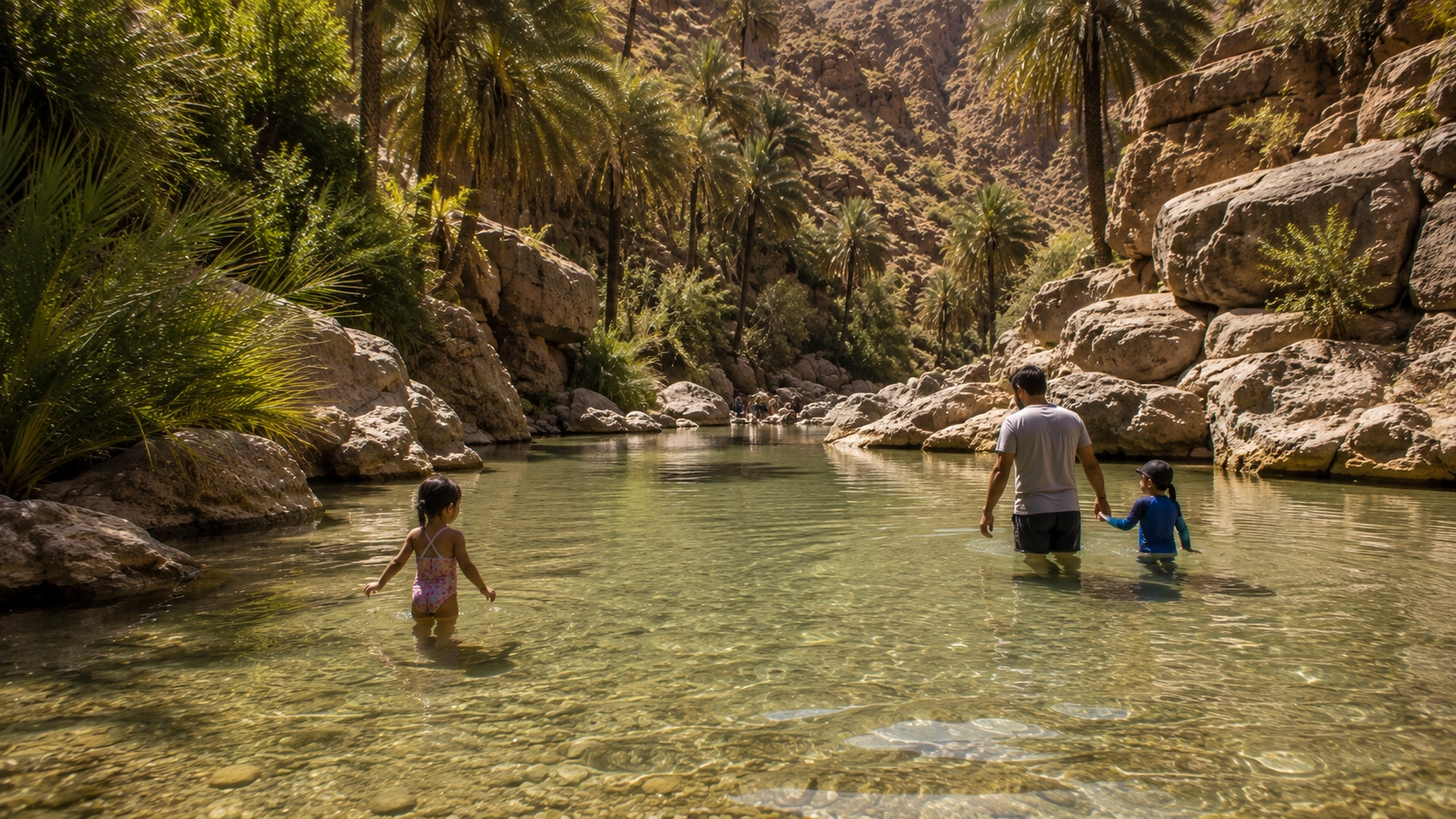
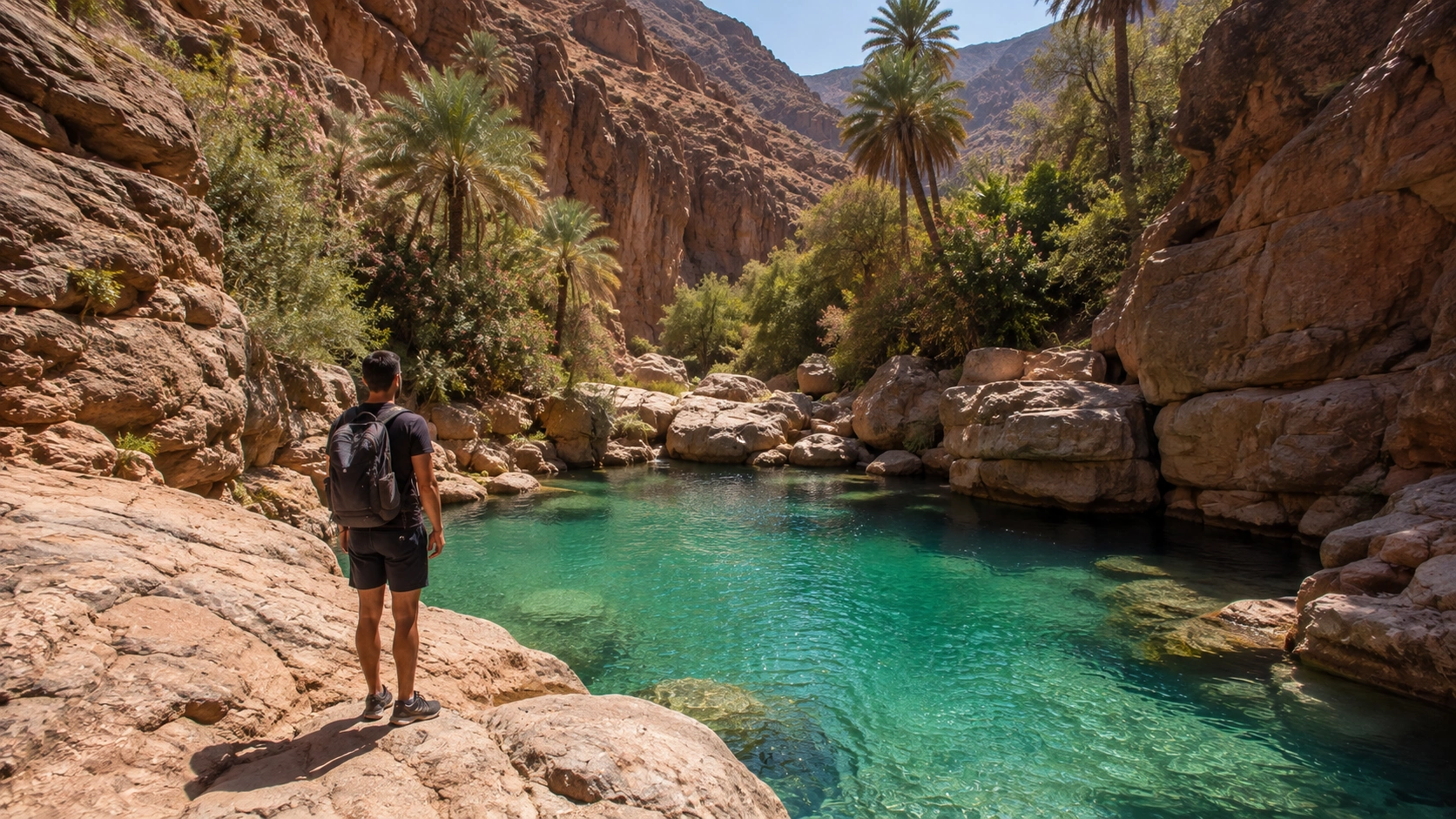
The valley's pools are fed by the Tamraght River as it winds through the gorge, and the water stays genuinely cool — even cold — year-round, a welcome contrast to Agadir's coastal heat regardless of season. The swimming experience varies a lot pool to pool: the first, most accessible swimming area near the entrance draws the biggest crowds, while pools further up the valley (a 10-20 minute walk beyond where most visitors stop) are consistently reported as quieter and, by several accounts, more beautiful. If you want a calmer experience, asking your guide or simply continuing past the first pool is a genuinely effective way to get it.
Paradise Valley Water Depth, Pool by Pool
There's no single depth figure for "Paradise Valley" as a whole — that's the honest answer, and any source giving you one number is oversimplifying. The pools range from shallow, sun-warmed wading spots genuinely suitable for young children, through to deep plunge pools used for jumping. The main pool near the entrance reportedly has a jumping rock of roughly 5 meters, with other spots in the valley offering both gentler 2-meter drops and more serious 8-10 meter ledges for experienced jumpers. Depth at any specific spot shifts with the season and recent rainfall — the only reliable way to know current depth is to check it yourself on the day, or ask a local guide who's seen the pools recently, not to rely on a fixed number from any article.
Cliff Jumping Safety: What Actually Matters
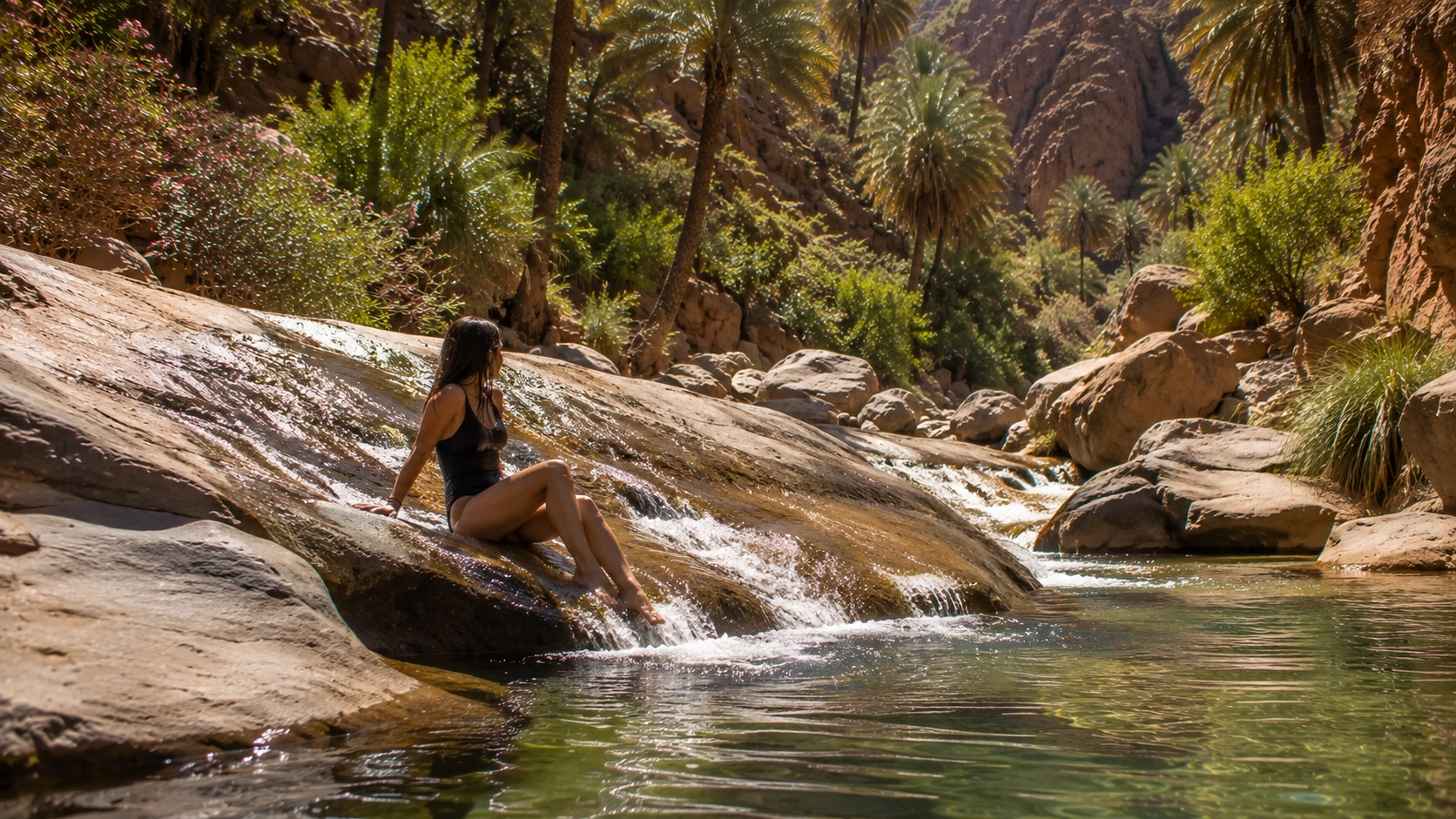
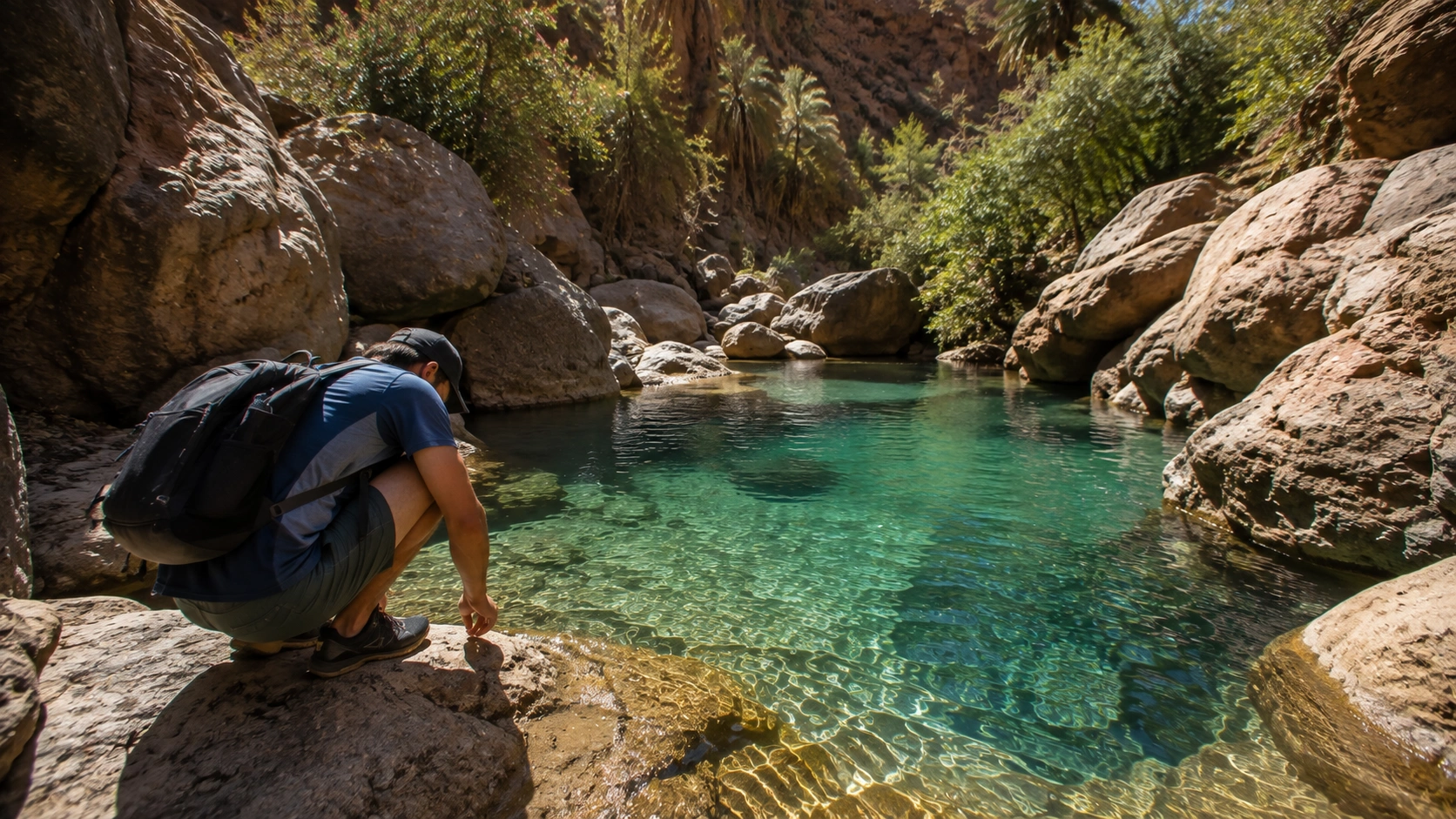
Cliff jumping is a genuine, popular part of the Paradise Valley experience, and multiple independent sources describe it happening regularly and without major incident when done sensibly. The safety advice that actually matters, repeated consistently across sources: check the depth and look for submerged rocks before every jump, not just the first one of the day — water levels and underwater rock positions shift with the season, so a pool that was safe to jump into last month, or even last week, isn't automatically safe today. Local guides who visit regularly generally know current conditions at specific spots; a first-time visitor jumping based on watching someone else go first, without checking themselves, is taking on real risk they don't need to. If you're not comfortable with jumping from height, the valley's natural water-eroded rock slides are a genuine, gentler alternative several sources specifically recommend.
Paradise Valley Agadir Pools Dry: When and Why
This genuinely varies year to year with rainfall, and sources differ on how dramatic the effect is — some report finding deep, swimmable pools even in drier months, while others describe meaningfully reduced water levels by late summer. The honest middle ground: don't assume a guaranteed swim in every season, particularly July-September, but don't assume the valley is unswimmable outside peak months either. If swimming specifically is your priority rather than just seeing the scenery, October-April (and especially January-March, following winter rain) offers the most reliable conditions.
Swimming Safety for Different Ages
| Age Group | Guidance |
|---|---|
| Under 3 | Not ideal — the terrain is genuinely rough for very young children |
| 3-6 years | Possible with close supervision, sticking to the calmer, shallower upper pools |
| 7-12 years | Generally a good age — able to hike, swim, and enjoy the setting |
| Teenagers | Well suited, including supervised cliff jumping at appropriate spots |
What Not to Do
- Don't jump without checking depth yourself, even if you've watched someone else jump the same spot minutes earlier.
- Don't swim or jump after drinking alcohol — at least one operator explicitly prohibits alcohol and drugs on their organized trips, and the underlying safety logic applies regardless of how you're visiting.
- Don't assume every pool is swimmable in every season — check current conditions rather than planning around photos that may be from a wetter month.
- Don't treat it as a lifeguarded facility — it isn't one, and the same caution you'd apply to any natural swimming spot anywhere applies here.
Frequently Asked Questions
Is Paradise Valley Agadir safe to swim in?
Yes, generally, treated like any natural swimming spot — check depth and conditions yourself rather than assuming safety from other swimmers being present.
How deep is the water at Paradise Valley?
It varies significantly by pool and season, from shallow wading areas to deep plunge pools reportedly reaching jump heights of 8-10 meters at the more serious spots.
Is cliff jumping at Paradise Valley safe?
It can be, when depth and submerged rocks are checked before every jump — water levels shift seasonally, so past safety at a specific spot doesn't guarantee current safety.
Do the pools run dry?
Some do, particularly by late summer in drier years, though accounts vary — don't assume a guaranteed swim outside October-April, and don't assume the valley is unswimmable either.
Is it safe for kids to swim there?
Generally yes for children old enough to handle the rough terrain (roughly age 3+with supervision, better from age 7+), sticking to calmer, shallower pools.
What's the best way to check if a jump spot is safe?
Check the depth and look for submerged rocks yourself before jumping, ideally with input from a local guide who's seen the specific pool recently.
A local guide can tell you exactly which pools are safe to jump today, not last season.
Browse guided tours →Getting there, prices, best time to visit, and scams to avoid.
Read the complete guide →For general water-safety guidance applicable to natural swimming spots anywhere, the RNLI's water safety advice is a solid independent reference, and Visit Morocco remains the official national tourism reference for broader trip planning.
Depth figures, jump heights, and seasonal conditions in this guide are drawn from multiple independent accounts at the time of writing (2026) and can vary significantly with rainfall and season — always check current conditions yourself before swimming or jumping.

AGADIR TRIP GUIDE
Related content
Interdum et malesuada fames