
Paradise Valley Photography Guide: Best Spots and Times
Paradise Valley Photography Guide: Best Spots and Times
Best photo spots, golden hour timing, and the honest truth about flying a drone there
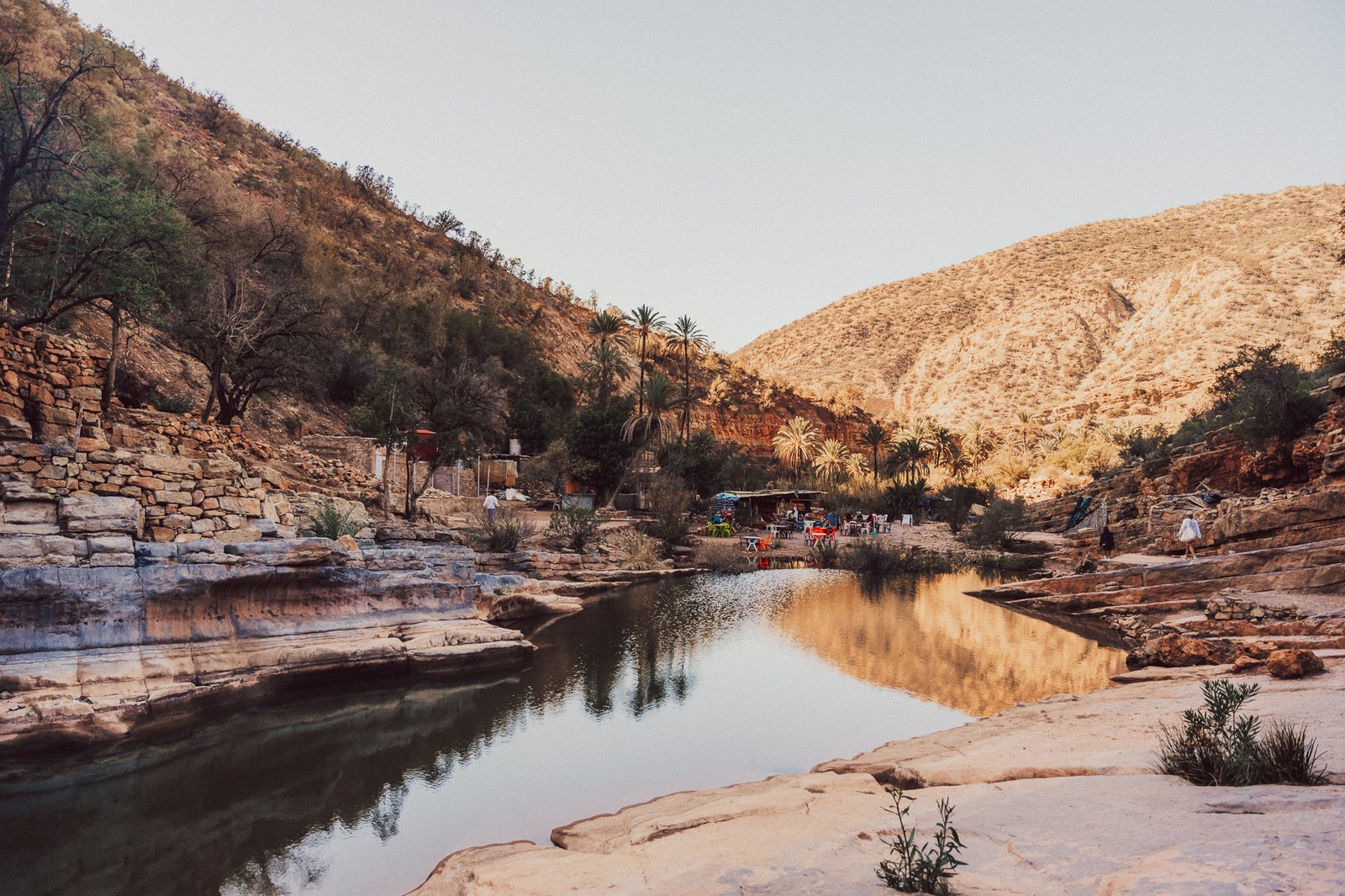
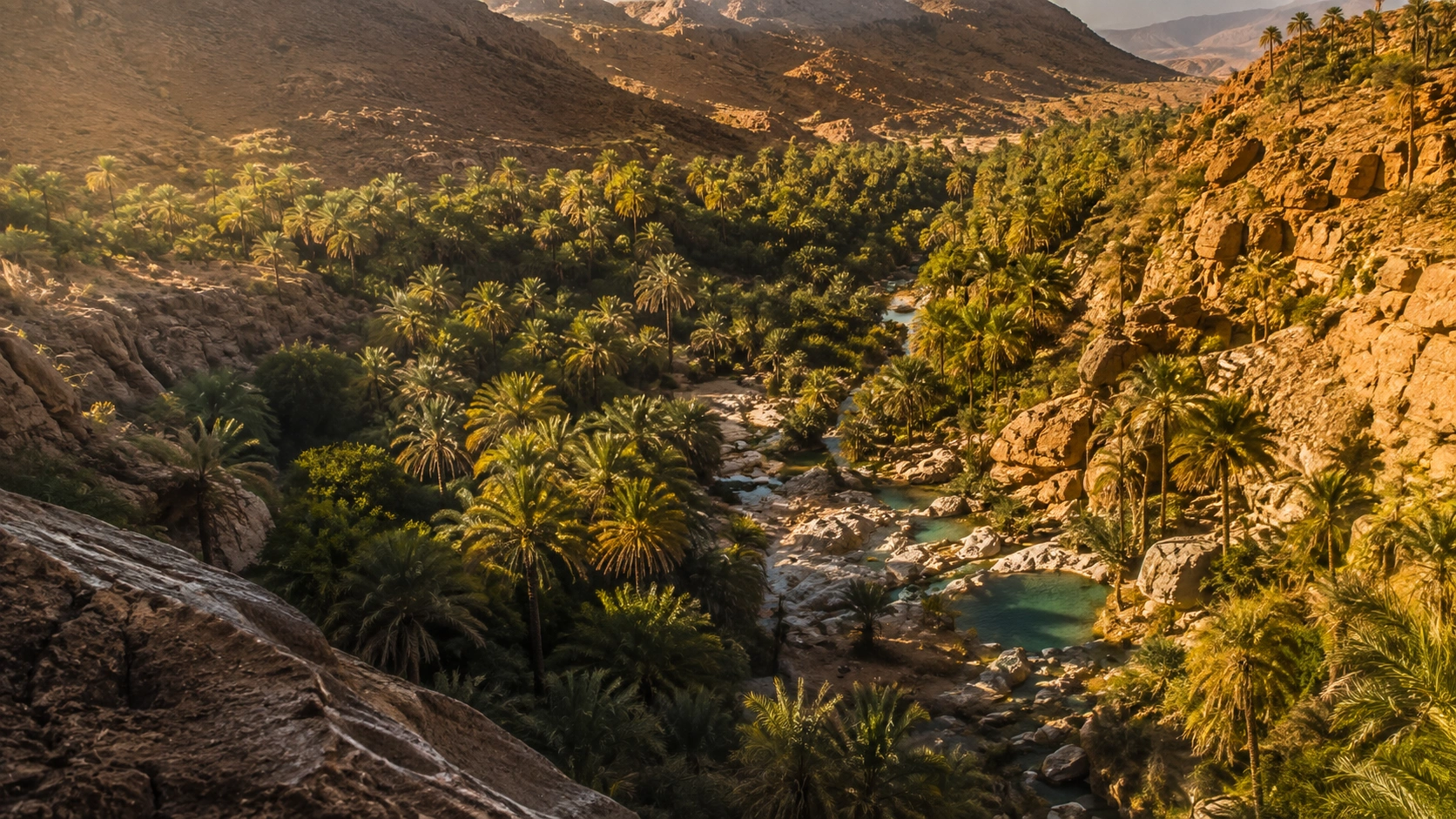
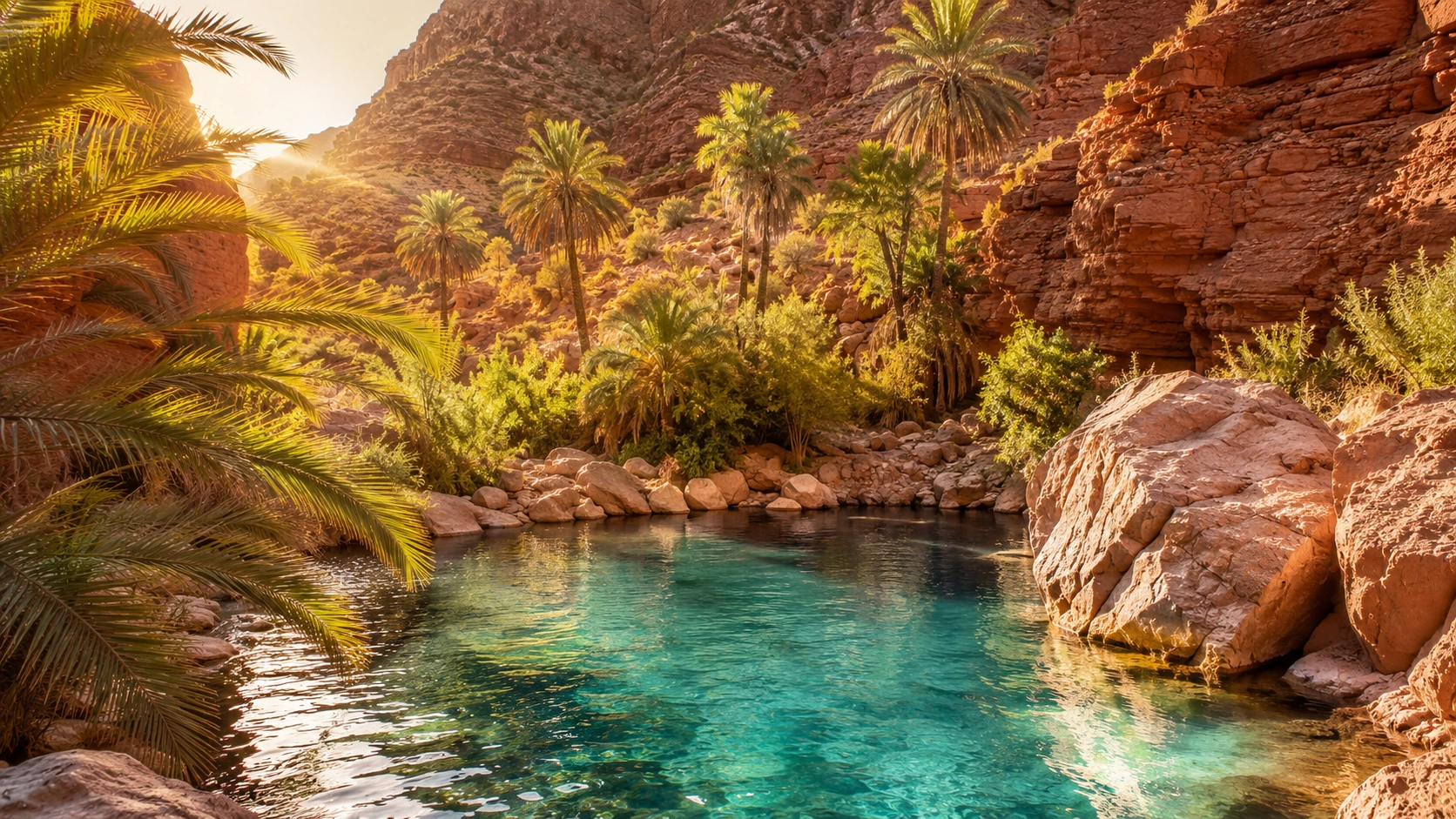
Paradise Valley Agadir photography is genuinely rewarding thanks to the color contrast between turquoise pools, red-rock cliffs, and green palm groves — a combination that's rare to find together in one frame. The best light is early morning or late afternoon/golden hour, when the light is soft and crowds are thinner; midday sun flattens the colors and casts harsh shadows. Bring a wide-angle lens if you have one, and be prepared to get your gear wet or sandy. On drones specifically: don't assume you can simply fly one — Morocco's drone rules for visitors are genuinely strict and worth checking before you travel, not after you've packed one.
Why Paradise Valley Photographs So Well
The valley's visual appeal comes from a genuinely unusual color combination in one place: turquoise-clear pool water, reddish rock canyon walls, and vivid green palm groves, all within the same frame. That contrast is rare enough to be the specific reason multiple independent photography-focused sources single out Paradise Valley as one of the standout shooting locations near Agadir, distinct from the coastal or city shots most visitors default to. The valley also has a genuine bohemian history worth knowing as context — it was reportedly a stop on the 1960s-70s hippie trail, part of why it carries a slightly different, more free-spirited reputation than Agadir's more conventional resort image.
Best Photo Spots Paradise Valley
- The main pool, wide shot: capturing the full scene — palms, cliffs, and water together — from a slightly elevated vantage point near the trail gives the clearest sense of the valley's actual scale.
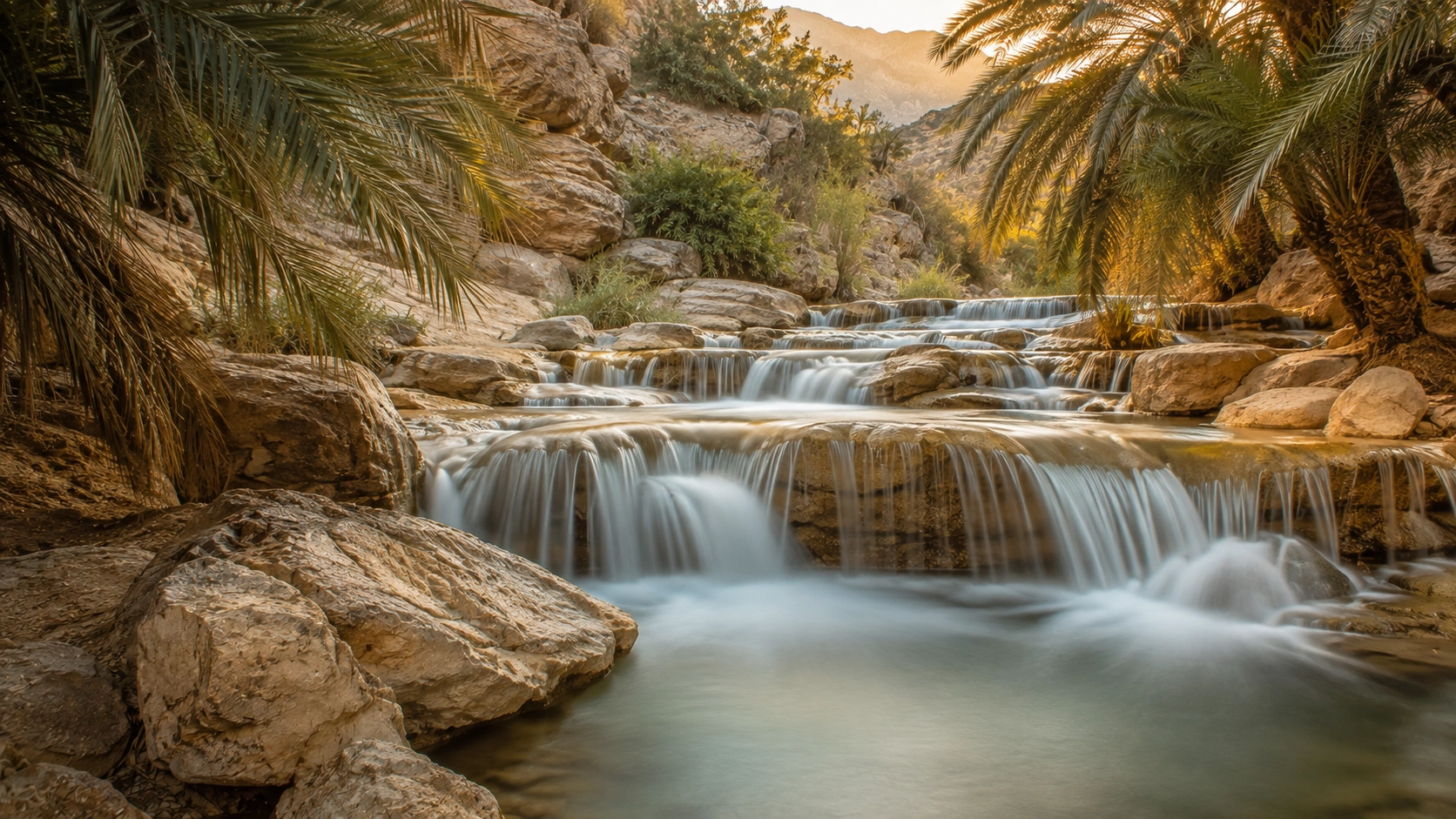
- Pool-to-pool cascade sections: where the seasonal river tumbles between smaller pools creates natural leading lines and, with the right settings, silky water motion shots.
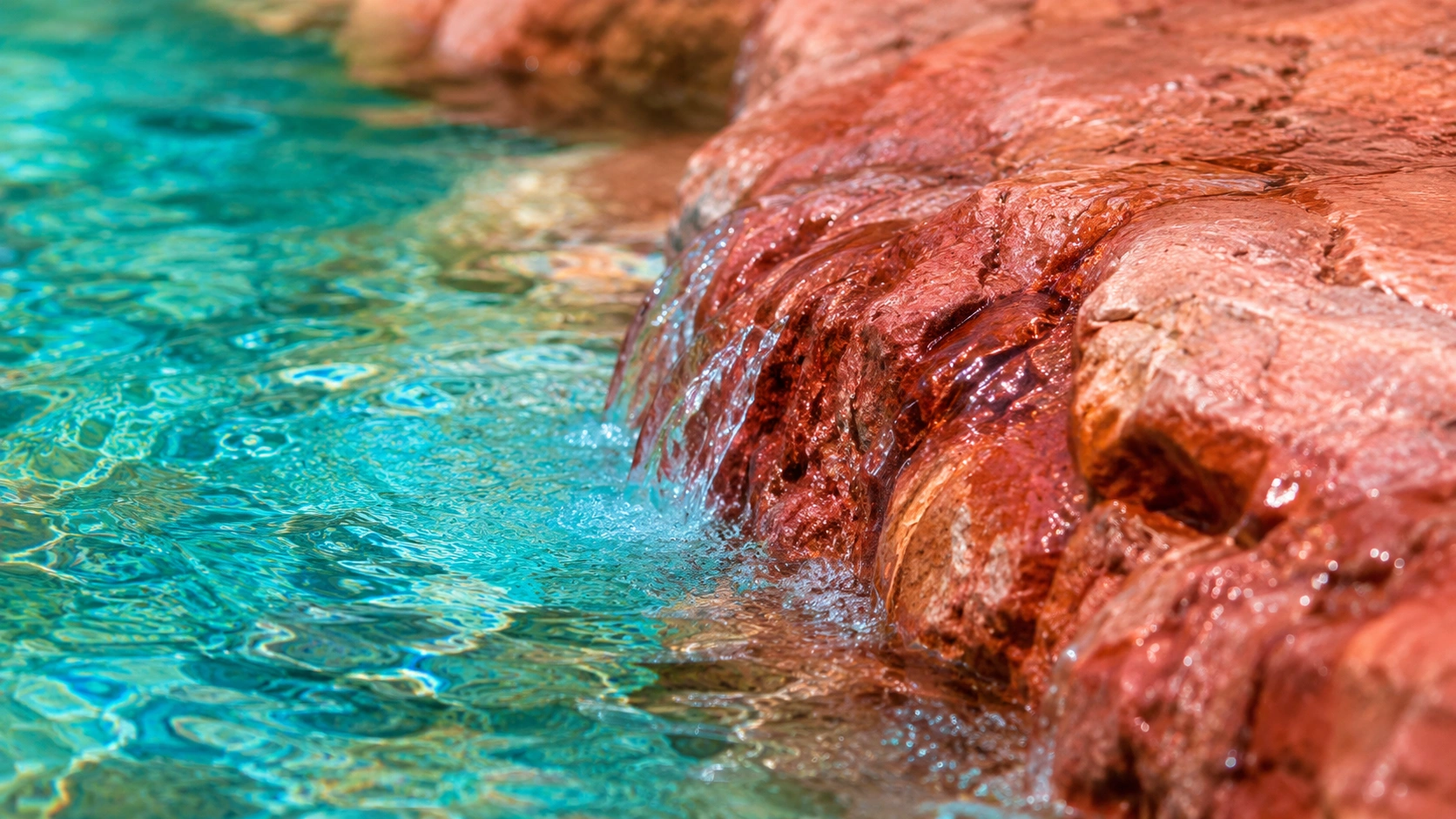
- Close-up water/rock detail shots: the turquoise clarity of the water against red rock works well as a tighter, more abstract composition, not just wide landscape shots.
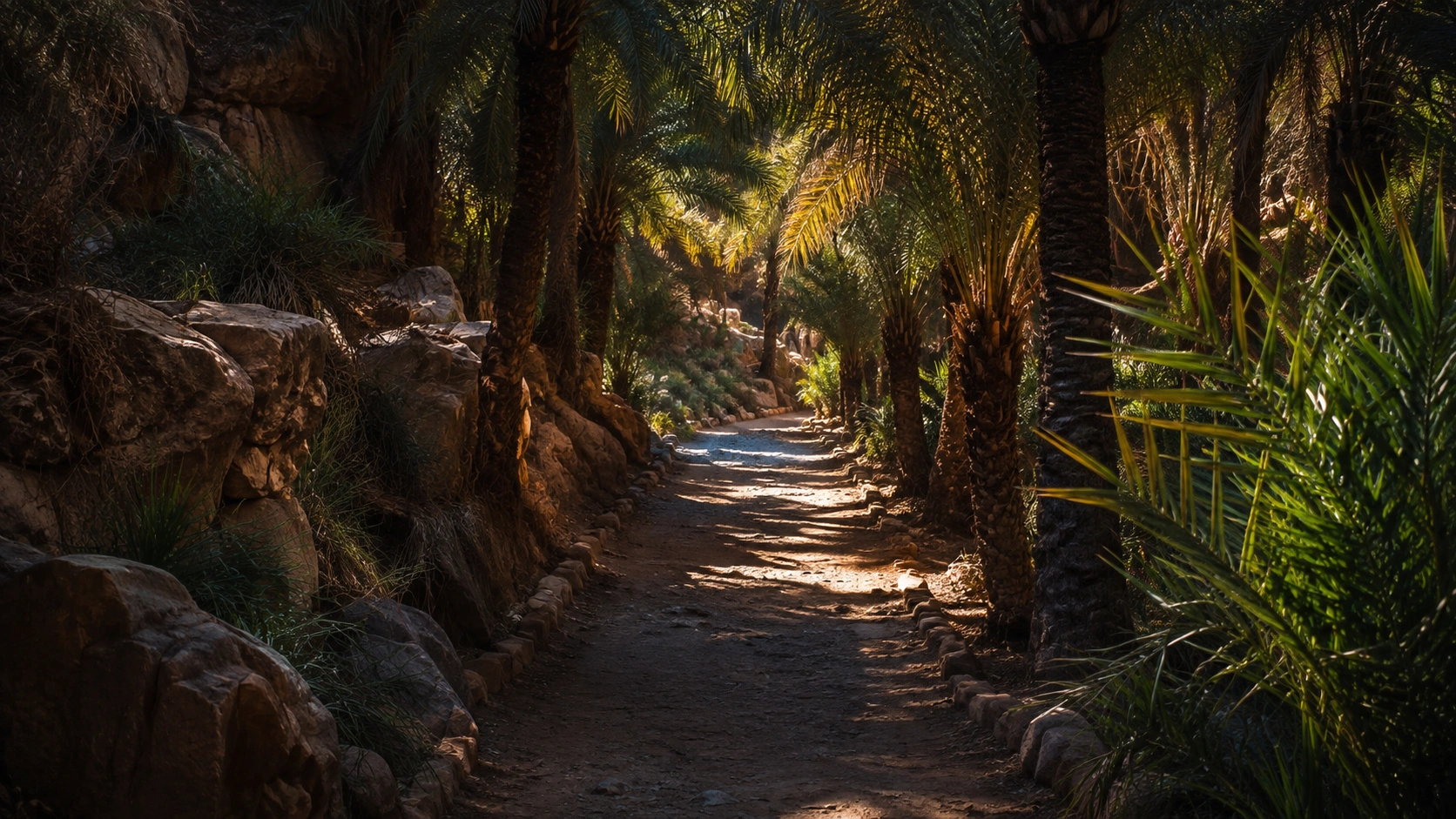
- The walking trail itself: shaded sections through palm groves offer a genuinely different mood — cooler tones, dappled light — compared to the open pool areas.
- Elevated viewpoints on the approach: before descending fully into the gorge, several points along the access path offer a wider valley overview shot that most visitors walk past without stopping for.
Paradise Valley Golden Hour: Timing It Right
Early morning and late afternoon are consistently recommended across independent sources, and for two compounding reasons, not just aesthetics: the light itself is softer and more flattering at both ends of the day, and the valley is genuinely quieter then, meaning fewer other visitors wandering into your frame. Midday sun does the opposite on both counts — harsh overhead light flattens the color contrast that makes this location distinctive, and the pools are at their most crowded. If your schedule allows any flexibility, building the visit around one of these windows rather than a midday stop is worth the adjustment specifically for photography.
Paradise Valley Agadir Sunset Photos: What to Know
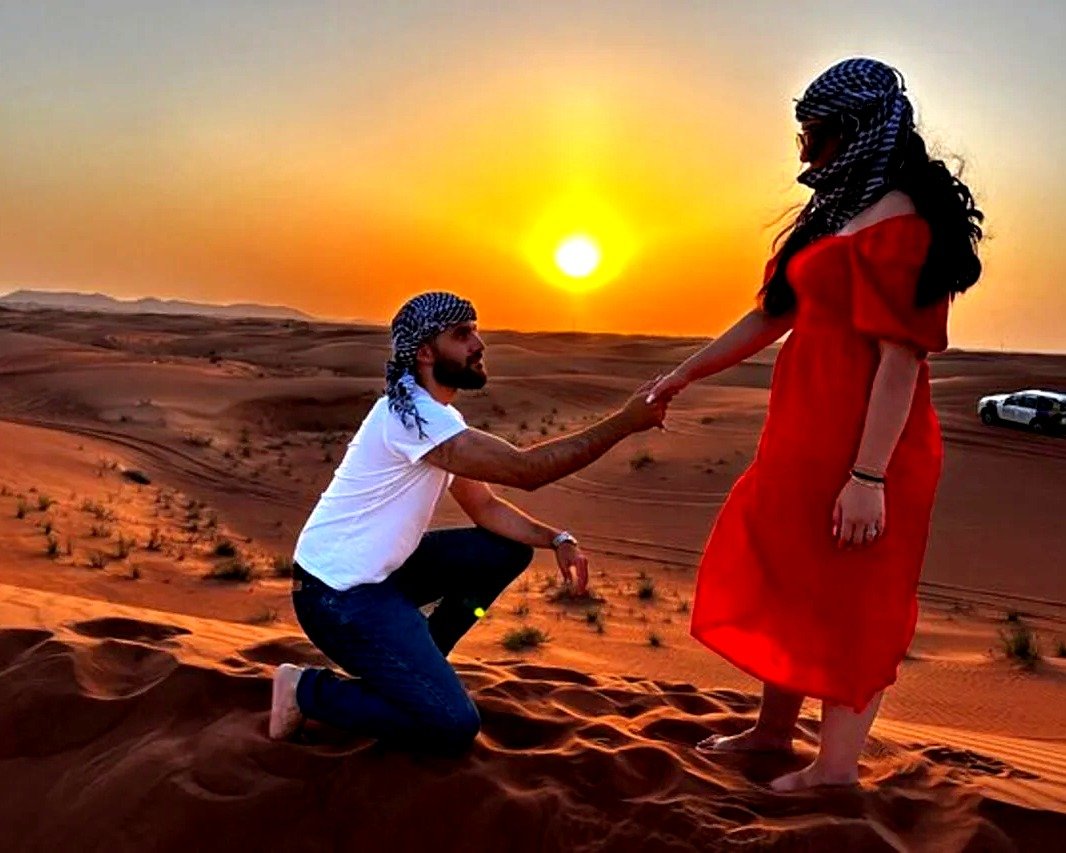
Sunset itself is less straightforward here than at a coastal location — the valley's canyon walls and surrounding hills mean direct sunset light doesn't always reach the pool areas the way it would on an open beach, depending on the exact time of year and your specific vantage point. Late afternoon golden hour, in the hour or so before actual sunset, is generally the more reliable window for warm, directional light on the water and rock, rather than waiting for the sun to fully set while still in the gorge itself. If you specifically want to be somewhere with an open sunset view over the ocean, that's better suited to a coastal spot back in Agadir or Taghazout on the same trip, not the valley itself.
Paradise Valley Agadir Drone: The Honest Rules
This deserves a direct, unglamorous answer rather than assuming aerial shots are simple to get: Morocco has historically maintained genuinely strict rules around drone import and use for visitors, and enforcement has included confiscation at customs for undeclared or unregistered drones in the past. We're not going to tell you flying a drone at Paradise Valley is straightforward, because the regulatory picture is real, can change, and isn't something a travel content page can respectably guarantee. If aerial photography genuinely matters to your trip, the responsible approach is checking Morocco's current drone import and flight regulations directly with an official source before you travel, not after you've packed the equipment — and being prepared for the answer to be "not without a permit" or "not at all" in some cases.
What to Actually Bring
- A wide-angle lens if you shoot with an interchangeable-lens camera — the valley's combination of scale and detail benefits from it.
- A neutral density filter if you want the classic silky-smooth water effect on the cascade sections; without one, you'll need a genuinely slow shutter speed and a stable base instead.
- A phone or camera in a waterproof pouch or case — you will likely get wet or splashed exploring the pools, and dust/sand exposure is real on the walking trail.
- A lens cloth for the same reason — water spots and dust on a lens ruin more shots here than people expect.
Protecting Your Gear
Beyond a waterproof pouch, the practical reality is that you'll be scrambling over wet rocks and uneven terrain with your hands sometimes full of camera equipment — a proper camera strap (not just a wrist strap) and closed shoes with good grip matter as much for protecting your gear as for your own safety. If you're bringing anything genuinely expensive or irreplaceable, a small dry bag you can seal completely is worth the extra weight for the pool-adjacent sections specifically.
A Note on Respectful Photography
This is a real place people live near and work in, not a photo set — if local residents, guides, or their animals appear in a shot you want to take, a quick, polite ask first is the norm most independent travel sources recommend, the same courtesy that applies anywhere in Morocco. It costs nothing and avoids the awkward, occasionally tense moments that come from photographing people without acknowledgment.
Frequently Asked Questions
What's the best time for Paradise Valley Agadir photography?
Early morning or late afternoon/golden hour — softer light and fewer crowds than midday, which tends to flatten the color contrast that makes the location distinctive.
What are the best photo spots at Paradise Valley?
The main pool wide shot, the pool-to-pool cascade sections, close-up water/rock detail shots, the shaded palm trail, and elevated viewpoints along the approach before descending fully into the gorge.
Can I fly a drone at Paradise Valley?
Don't assume yes — Morocco's drone regulations for visitors have historically been strict, including confiscation risk for undeclared drones. Check current official rules before you travel, not after you've packed one.
Is Paradise Valley good for sunset photos?
Late afternoon golden hour is more reliable than actual sunset itself, since the canyon walls can block direct sunset light reaching the pools depending on your vantage point and the season.
What gear should I bring?
A wide-angle lens if you have one, an ND filter for silky water shots, and waterproof protection for your phone or camera — you will likely get wet or dusty.
Is it safe to bring expensive camera equipment?
Yes with reasonable precaution — a proper strap, closed shoes for stability, and a sealed dry bag for pool-adjacent sections specifically.
Getting there, prices, and what to do once you're there.
Read the complete guide →The Timlalin Dunes offer some of the best golden-hour shots in the Agadir area.
See the sandboarding tour →For current, official guidance on bringing or flying a drone in Morocco, check directly with official travel advisory sources before your trip, and Visit Morocco remains the official national tourism reference for broader trip planning.
Photography tips and general drone-rule guidance in this article reflect research at the time of writing (2026) — drone regulations specifically can change, so always confirm current rules with an official source before travelling with one.

AGADIR TRIP GUIDE
Related content
Interdum et malesuada fames